
China Top Bioflavonoids Supplements Suppliers?

Time:2026-09-06 Author:Charlotte
0%

China Top Bioflavonoids Supplements Suppliers? This question deserves more than a polished supplier list. It requires evidence, practical experience, and careful comparison. China has a broad manufacturing base, including producers of citrus bioflavonoids, quercetin, rutin, hesperidin, and complex botanical formulas. However, product quality can differ sharply between factories.

Dr. Jeffrey Blumberg, a nutrition scientist and professor emeritus at Tufts University, has warned that antioxidants are “not magic bullets.” This caution matters when evaluating Bioflavonoids Supplements. A trustworthy supplier should explain dosage, raw-material origin, extraction methods, and stability testing. It should also provide recent certificates of analysis, identity testing, microbiological results, and heavy-metal reports. Clear documentation builds confidence.

Look beyond attractive websites.

During supplier reviews, practical details often reveal more. Can the factory show its production line? Are batch numbers traceable? Does the powder arrive in sealed drums with readable labels? Can the supplier discuss moisture control, particle size, and shelf-life data without vague promises? These small details matter.

A strong Chinese supplier should support destination-market compliance, quality-system verification, and consistent communication. Certifications may help, but they never replace independent testing. No supplier is perfect. Even experienced buyers can overlook a weak change-control process or an unclear botanical specification. That is why this guide compares manufacturing capability, technical transparency, testing practices, customization, and export experience. The goal is not to promote the loudest company. It is to identify dependable partners for Bioflavonoids Supplements, while recognizing that evidence must remain stronger than marketing language.
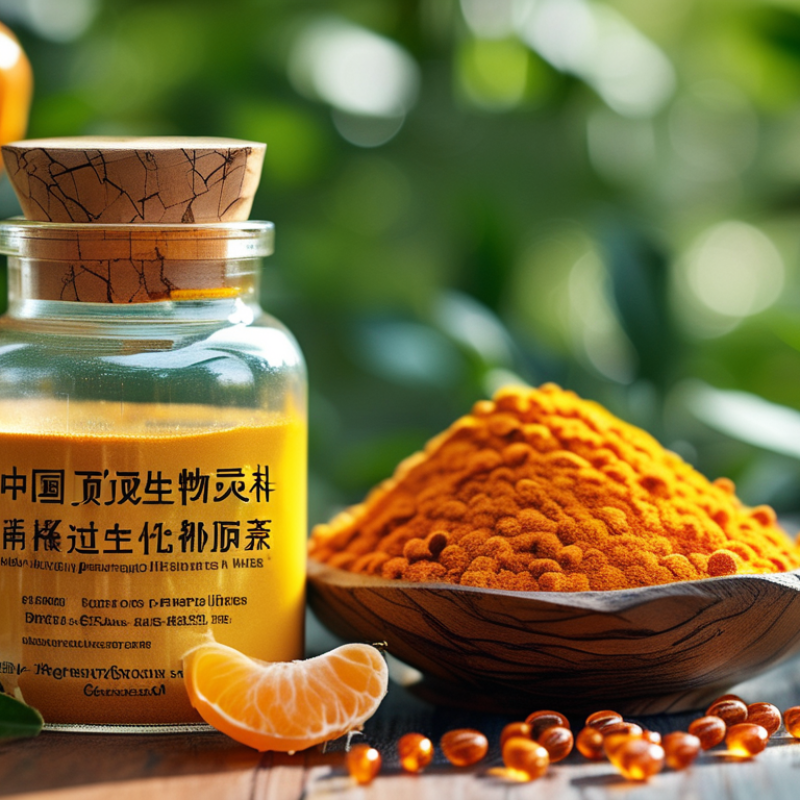
China Top Bioflavonoids Supplements Suppliers?

What Are Bioflavonoid Supplements?

Bioflavonoid supplements contain plant compounds found in citrus fruits, onions, berries, tea, and buckwheat. Common examples include hesperidin, rutin, quercetin, and citrus bioflavonoid complexes. They are often marketed for antioxidant support and healthy circulation, but these compounds are not interchangeable. Their absorption can differ sharply.

Grand View Research estimated the global flavonoids market at about USD 1.2 billion in 2022, with an expected 8.1% annual growth rate through 2030. This expansion reflects growing interest, not guaranteed clinical results. The National Institutes of Health notes that many flavonoid claims still require stronger human evidence. Some studies are promising. Others remain inconsistent.

A reliable supplement should disclose the exact flavonoid form, dosage, extraction method, and testing standards. Look for an independent certificate of analysis covering identity, potency, microbes, heavy metals, and pesticides. Citrus peel extracts may contain several compounds, so “total bioflavonoids” can hide important differences. The category remains messy. I would not judge quality by a high milligram number alone. Clinical experience also suggests that food sources, medication use, and individual tolerance matter. Anyone using anticoagulants or managing a chronic condition should seek professional advice before supplementation. Even careful labels cannot replace human evidence.

Why China Is a Major Bioflavonoid Supplier

Why China Is a Major Bioflavonoid Supplier

China has become a major bioflavonoid supplier because it combines agricultural resources, processing capacity, and experienced extraction teams. Citrus peels, tea leaves, and other plant materials support varied raw material sources. Many production areas also sit near ingredient-processing centers. This can shorten transport time and reduce handling between harvest and extraction. Practical sourcing matters here. A stable supply often begins with consistent local materials.

Manufacturers commonly use water or ethanol-based extraction, filtration, concentration, and controlled drying. Modern facilities may apply HPLC testing to measure active compounds, while laboratories screen for heavy metals, microbes, pesticides, and residual solvents. Buyers should request batch-specific certificates of analysis, not only general product sheets. Traceability records can connect a powder to its raw material, production date, and testing results. That detail builds trust.

But scale alone does not guarantee reliability. A polished document can still hide weak sampling or uneven batches. This is where careful supplier evaluation becomes essential. Requesting samples, comparing assay results, and checking storage conditions can reveal practical differences. Temperature and humidity matter, especially for fine powders stored in warm warehouses. Suppliers with documented quality systems and responsive technical teams usually offer stronger support. Still, no supplier is perfect. Testing should remain part of every serious purchasing decision.

China Top Bioflavonoids Supplements Suppliers? - Why China Is a Major Bioflavonoid Supplier

Supply Segment Representative Bioflavonoid Common Botanical Source Typical Product Forms Why China Has a Supply Advantage Common Quality Indicators
Citrus-derived flavonoids Hesperidin, naringin and diosmin Oranges, lemons, grapefruit and other citrus peels Standardized powders, micronized powders, granules and capsule/tablet ingredients Large citrus-growing and citrus-processing industries provide access to peel and pulp co-products for extraction. Assay by HPLC, identification profile, moisture, residual solvents, heavy metals and microbiological limits
Rutin and quercetin ingredients Rutin and quercetin Sophora japonica flower buds, buckwheat, onions, apples and selected leafy plants Fine powders, high-assay extracts and custom particle-size grades China has established botanical-extraction capacity and substantial cultivation of traditional medicinal plants, including Sophora japonica. Rutin or quercetin assay, chromatographic fingerprint, particle size, bulk density and contaminant testing
Tea-derived polyphenols Catechins, including epigallocatechin gallate (EGCG) Green tea leaves Tea extracts, decaffeinated extracts, instant powders and standardized polyphenol blends China is a major tea-producing country with integrated cultivation, processing and extraction infrastructure. Total catechins, EGCG level, caffeine level, pesticide residues, heavy metals and microbiological specifications
Anthocyanin-rich extracts Cyanidin, delphinidin and malvidin glycosides Purple sweet potato, black rice, purple corn, berries and grape skins Water-soluble powders, color-stable extracts and beverage premixes Multiple agricultural regions supply colored crops and fruit-processing co-products suitable for anthocyanin extraction. Total anthocyanins, chromatographic profile, color value, pH stability, solvent residues and microbial limits
Herbal flavonoid extracts Baicalin, baicalein, luteolin and apigenin Scutellaria baicalensis, chamomile, celery, parsley and other botanical materials Dry extracts, standardized botanical powders and water- or ethanol-extracted ingredients A mature traditional Chinese medicine supply chain supports cultivation, botanical identification and extraction of herbal materials. Marker-compound assay, botanical authentication, pesticide residues, aflatoxins, heavy metals and microbial testing
Grape and fruit polyphenols Quercetin glycosides, catechins and proanthocyanidins Grape skins and seeds, apples, berries and other fruit-processing materials Polyphenol powders, seed extracts and standardized antioxidant blends Domestic fruit processing creates scalable sources of recoverable polyphenols and supports cost-efficient co-product utilization. Total polyphenols, proanthocyanidin content, solvent residues, pesticide residues and oxidation stability
Bulk supplement ingredient supply Single compounds and multi-flavonoid blends Botanical extracts, agricultural materials and food-processing co-products 25 kg bags, fiber drums, lined cartons, premixes and customized specifications Broad raw-material availability, contract manufacturing capacity and established international logistics support both standard and customized orders. Certificate of analysis, batch traceability, allergen statement, non-GMO status, storage conditions and shelf-life data
Export-ready quality systems Applicable to food, dietary supplement and nutraceutical ingredients Controlled botanical and food-processing supply chains Documentation packages, samples, technical data sheets and regulatory support files Many Chinese ingredient manufacturers serve overseas markets and can prepare documentation for customer-specific import requirements. GMP or food-safety system certification where applicable, HACCP or ISO 22000, COA, SDS, specification sheet and third-party test reports

Note: This table describes major Chinese bioflavonoid supply categories and selection criteria rather than ranking individual companies or brands. Actual availability, assay, certification and regulatory status should be verified for each batch and destination market.

Key Criteria for Evaluating Chinese Suppliers

China’s bioflavonoid supplement suppliers vary widely in quality and manufacturing discipline. Evaluate evidence, not attractive catalogs or fast promises. Request a current Certificate of Analysis for each batch, with identity, purity, microbial limits, heavy metals, and residual solvents. Independent laboratory results are more convincing than internal claims alone. Confirm whether the facility follows GMP principles and maintains controlled production records.

Tips: Ask for a small sample before discussing large volumes. Compare its color, odor, solubility, and test results with the specification. Check the botanical source, extraction method, standardization level, and shelf-life data. A reliable supplier should explain deviations clearly, not hide behind vague technical language. Keep every document linked to a batch number.

Traceability deserves close attention. Review raw-material suppliers, allergen controls, packaging conditions, and transport procedures. A remote video tour can help, but an independent audit offers stronger assurance. I once placed too much trust in rapid replies; that was a useful warning. Good communication does not replace technical proof. Ask how complaints, recalls, and rejected batches are handled. Verify export documents and destination-market requirements with qualified regulatory professionals. Some suppliers may appear highly experienced, yet their records can still be incomplete. That is where careful questioning matters.

Product Standards, Certifications, and Testing

China Top Bioflavonoids Supplements Suppliers?

Reliable suppliers should show more than attractive specifications. Their facilities should follow GMP principles and maintain documented hygiene, batch control, and traceability. Certifications such as ISO 22000, HACCP, or ISO 9001 can support credibility, but certificates require verification. Check the issuing body, validity period, covered site, and product scope. A certificate alone is not proof.

Testing should begin with identity and assay confirmation. HPLC or UPLC can help verify the bioflavonoid profile and concentration. Each batch should also be screened for heavy metals, pesticides, microbial contamination, and residual solvents. A clear certificate of analysis should list methods, results, limits, batch numbers, and testing dates. Independent laboratories accredited to ISO/IEC 17025 offer stronger evidence. Ask whether samples are tested before release, not after a complaint.

Supplier assessment also depends on real operating experience. Review sample consistency, packaging integrity, storage conditions, and response time when results fail. Request retained-sample policies and stability data for the intended market. No supplier record is flawless. Small gaps matter. I would still ask for raw-material origin and complete audit trails, even when documents look polished. Sometimes testing methods differ between laboratories, creating confusing results. That weakness deserves an explanation, not a rushed purchase.

How to Choose the Right Chinese Supplier

China Top Bioflavonoids Supplements Suppliers?

How to Choose the Right Chinese Supplier

Choosing a Chinese bioflavonoid supplier requires more than comparing prices. Start with product identity, source material, and extraction method. Ask whether the ingredient is citrus-derived, berry-derived, or made through another documented process. The supplier should provide a current specification sheet, batch-specific certificate of analysis, and clear testing methods.

Look for evidence of controlled manufacturing. Useful records may include quality certifications, allergen statements, heavy metal results, microbial testing, and pesticide screening. Confirm that an independent laboratory can verify key results. A clean factory video is helpful, but it is not proof. Request a live audit, recent production photos, and sample labels with lot numbers. Small details matter.

Communication also reveals supplier reliability. Can the sales team explain particle size, assay limits, moisture control, and storage conditions? Can they answer without avoiding technical questions? In practice, a supplier who responds slowly may still produce good material, while a polished website can hide weak documentation. This is where judgment becomes difficult. Request samples from two or three batches, not one convenient sample. Compare color, odor, solubility, and laboratory data. Confirm lead times, minimum order quantities, packaging, and change-control procedures before signing. A lower quotation may become expensive after retesting, delays, or rejected materials. Supplier selection is not perfectly predictable. Careful verification only reduces the risk.

China Top Bioflavonoids Supplements Suppliers: How to Choose the Right Chinese Supplier

Molecular weight is a useful identity-checking reference when reviewing a supplier’s Certificate of Analysis. Compare the declared compound with HPLC or LC-MS test results, confirm the correct glycoside form, and request batch-specific purity, heavy-metal, microbiological, pesticide-residue, and stability data. The molecular-weight values shown are published chemical reference data from PubChem and are not supplier or brand performance scores.

FAQS

: Why are Chinese suppliers major sources of bioflavonoids?

: China combines citrus peels, tea leaves, processing centers, and experienced extraction teams. Shorter transport can protect raw-material consistency.

Which extraction methods are commonly used?

Suppliers often use water or ethanol extraction, followed by filtration, concentration, and controlled drying. The method should match the botanical source.

What should a batch-specific certificate of analysis include?

It should list identity, purity, test methods, limits, batch numbers, and testing dates. General product sheets are not enough.

Which tests are important for bioflavonoid powders?

Useful tests include HPLC or UPLC assay, microbial screening, heavy metals, pesticides, and residual solvents. Testing evidence matters.

How can buyers compare supplier samples?

Check color, odor, solubility, assay results, packaging, and batch consistency. A small sample can expose practical differences.

Do certifications guarantee supplier reliability?

No. Verify the certificate issuer, validity period, covered facility, and product scope. A certificate alone is not proof.

Why does traceability matter?

Traceability can connect powder with its plant source, production date, batch number, and test results. Keep every document linked.

Should buyers arrange audits or facility tours?

A video tour offers useful clues, but an independent audit provides stronger assurance. Records may still be incomplete.

How do storage conditions affect bioflavonoid powders?

Warm warehouses and high humidity may affect fine powders, packaging, and stability. Ask for storage controls and stability data.

What warning signs should buyers notice?

Be careful with vague answers, missing audit trails, inconsistent samples, and unusually fast promises. Good communication cannot replace technical proof.

Conclusion

Bioflavonoids Supplements are concentrated nutritional products made from naturally occurring plant compounds found in fruits, vegetables, herbs, and other botanical sources. They are commonly selected for their antioxidant properties and their potential role in supporting general wellness. China has become a major supplier because of its broad agricultural resources, established botanical extraction capabilities, modern manufacturing facilities, and experience serving international markets.

When evaluating Chinese suppliers, buyers should consider raw material traceability, production capacity, formulation expertise, quality control procedures, and communication reliability. Product standards, third-party testing, and certifications are also essential for confirming identity, purity, potency, microbiological safety, and compliance with the destination market’s regulations. The right supplier should provide transparent documentation, consistent batch quality, suitable packaging, responsive technical support, and clear supply terms. A careful comparison of samples, testing reports, certifications, and manufacturing practices can help buyers establish a dependable and long-term partnership.

Charlotte

Charlotte

Charlotte is a seasoned marketing professional with a deep understanding of the company's portfolio and a passion for elevating its presence in the market. With a keen eye for detail and a commitment to excellence, she ensures that our professional blog is regularly updated with insightful articles......