
Lemon Bioflavonoids are natural plant compounds found mainly in lemon peel, pulp, and the white inner layer called the pith. They include hesperidin, eriocitrin, and diosmin-related citrus flavonoids. These compounds help give lemons their color, bitterness, and protective chemistry. They are not vitamin C, although supplements often combine both nutrients.
Dr. Paul Kroon, a food-science researcher known for studying dietary flavonoids, has stated, “Bioavailability is often the missing piece in flavonoid research.” That point matters here. A capsule may contain a measured amount of Lemon Bioflavonoids, yet the body may absorb only part of it. Food form, dosage, digestion, and individual health can change the result. The label is not the whole story.
So, what are Lemon Bioflavonoids used for? People commonly take them to support antioxidant protection, healthy blood vessels, normal circulation, and general immune function. Some products also promote them for seasonal wellness or skin support. Evidence remains uneven. Promising does not mean proven.
A lemon peel is not a medicine cabinet. It is a food source.
This article will examine the most discussed uses, including vascular support and antioxidant activity, while separating human evidence from laboratory findings. It will also consider safety, supplement quality, and possible medication interactions. Some claims sound impressive but rely on small studies or mixed citrus extracts. That deserves scrutiny. Personal experience can be meaningful, yet it cannot replace clinical evidence. Anyone with a medical condition, pregnancy, or prescribed medication should seek professional advice before using concentrated Lemon Bioflavonoids.
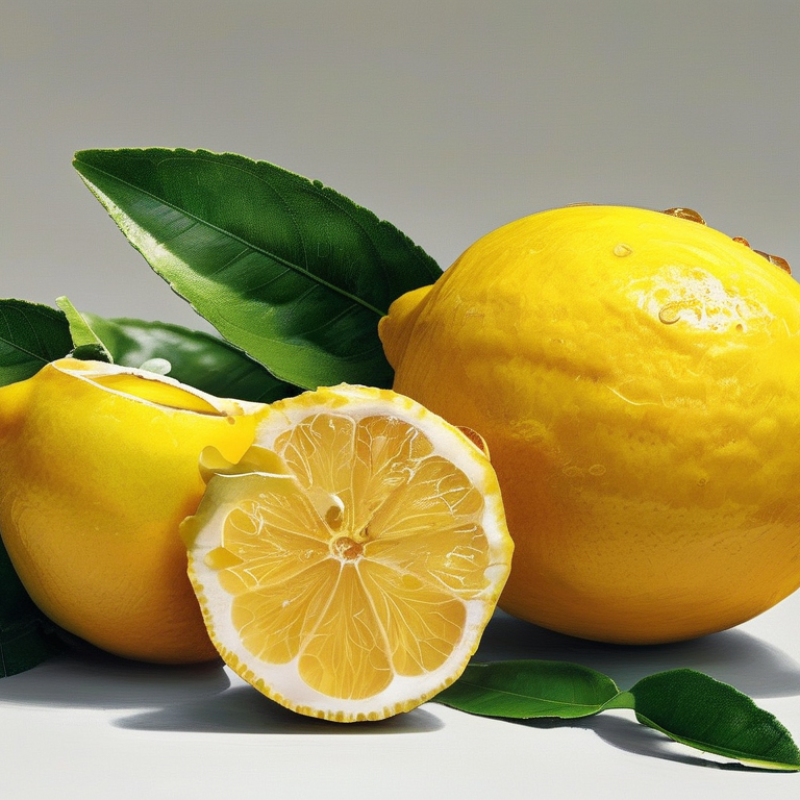
What Are Lemon Bioflavonoids?
Lemon bioflavonoids are natural plant compounds found in lemon peel, pulp, and juice. They belong to a larger family called flavonoids. Common citrus compounds include eriocitrin, hesperidin, and diosmin. These substances help give citrus fruits their color, bitterness, and protective qualities.
Researchers study lemon bioflavonoids for their antioxidant and anti-inflammatory potential. They may also support healthy blood vessels and complement vitamin C in the diet. However, results vary between studies. Lemon bioflavonoids are not a cure, and they should not replace prescribed treatment. Their effects can depend on the food source, extract quality, dosage, and personal health. I once viewed “natural” as automatically gentle, but that assumption is too simple.
Tips: Choose whole lemons when possible, including some zest after careful washing. Store them away from heat and strong sunlight. If using a concentrated supplement, check the ingredient list and follow professional advice. People taking medication or managing kidney, liver, or bleeding conditions should ask a healthcare professional first. Small dietary amounts are easier to understand than concentrated products. That distinction matters.
Lemon bioflavonoids are naturally occurring plant compounds found mainly in the peel, inner white pith, and fruit tissues of lemons.
| Dimension | What It Includes | Potential or Common Use | Evidence Status | Practical Information |
|---|---|---|---|---|
| Definition | Flavonoids and related citrus polyphenols naturally present in lemon tissues. | Used as a general term for lemon-derived antioxidant compounds in foods and dietary supplements. | Well established as plant compounds | “Lemon bioflavonoids” is a broad category rather than one single chemical. |
| Examples of compounds | Eriocitrin, hesperidin, diosmin, rutin, and other citrus flavonoids may occur in varying amounts. | Used in nutrition research to study the biological effects of citrus polyphenols. | Chemically characterized | The exact profile depends on the lemon variety, plant part, growing conditions, and processing method. |
| Antioxidant activity | Flavonoids can participate in antioxidant systems and may help protect cells from oxidative processes in laboratory models. | Consumed as part of a diet containing fruits and vegetables. | Research-supported, but not a disease treatment | Antioxidant activity measured in a test tube does not automatically predict a specific health outcome in people. |
| Vascular and circulation research | Citrus flavonoids have been investigated for effects on blood-vessel function and microcirculation. | Studied as a possible nutritional component for maintaining normal vascular function. | Human evidence is mixed and compound-specific | They should not replace prescribed treatment for high blood pressure, vein disorders, or other cardiovascular conditions. |
| Inflammation-related research | Some lemon flavonoids have shown effects on inflammatory pathways in laboratory and animal studies. | Investigated for potential support of a balanced inflammatory response. | Preliminary to moderate research | More controlled human research is needed before making therapeutic claims. |
| Vitamin C relationship | Lemons provide vitamin C, while bioflavonoids are separate plant compounds that occur alongside it. | Used together naturally when consuming whole lemon or lemon-containing foods. | Food-based relationship is established | Bioflavonoids are not the same as vitamin C and should not be described as a substitute for it. |
| Digestive and dietary use | Lemon peel and pith contain fiber and polyphenols, although the amounts vary by preparation. | Added to meals, beverages, or recipes to increase citrus flavor and plant-food variety. | Supported as a food choice | Using zest or pith can provide more flavonoids than lemon juice alone, but taste and tolerance may vary. |
| Common food sources | Fresh lemon peel, zest, white pith, pulp, and juice contain different concentrations of citrus compounds. | Consumed through whole lemons, culinary zest, and minimally processed citrus foods. | Naturally occurring | Washing produce thoroughly is important before using the peel. |
| Supplement forms | Capsules, powders, and extracts may contain lemon-derived flavonoids or blends of citrus flavonoids. | Used by adults seeking a concentrated source of citrus polyphenols. | Product-dependent | Read the label for the named compounds, extract amount, serving size, and added ingredients. |
| Safety considerations | Food amounts are generally well tolerated, but concentrated supplements may cause digestive discomfort or interact with medicines. | Used with attention to individual allergies, medical conditions, and medication use. | Depends on dose and person | People who are pregnant, managing a medical condition, or taking medication should consult a qualified healthcare professional before using concentrated extracts. |
Key point: Lemon bioflavonoids are mainly used as dietary citrus polyphenols and are studied for antioxidant, vascular, and inflammation-related effects. They are not established cures or replacements for medical treatment.
: They are natural plant compounds found in lemon peel, pulp, and juice. They belong to the flavonoid family.
Citrus fruits may contain eriocitrin, hesperidin, and diosmin. These compounds can influence color and bitterness.
Some people use them for antioxidant support, circulation, and normal blood vessel function. Evidence remains limited.
No. They are not a cure and should not replace prescribed treatment. That distinction matters.
No universally accepted dosage exists. Follow the product’s serving instructions and avoid assuming that more is better. Start low.
Possible reactions include stomach discomfort, nausea, loose stools, or headache. Individual responses vary.
People taking regular medicines or managing kidney, liver, or bleeding conditions should ask a healthcare professional first. Pregnancy, breastfeeding, and childhood also require caution.
Citrus-sensitive people may develop itching, swelling, or breathing difficulty. Stop using the product and seek urgent medical care for serious symptoms.
Whole lemons provide smaller dietary amounts and may be easier to understand. Wash the peel carefully before using zest. Supplements can vary.
Persistent swelling, unusual bruising, or circulation changes deserve professional assessment. Self-treatment might delay attention to another problem.
Lemon Bioflavonoids are naturally occurring plant compounds found mainly in citrus fruits, especially the peel and inner membranes of lemons. They work as antioxidants, helping the body manage oxidative stress, while also supporting the activity of vitamin C and healthy connective tissue. Because of these properties, Lemon Bioflavonoids are commonly included in dietary supplements intended to support immune function, circulation, capillary strength, and general cellular protection.
Research suggests that citrus bioflavonoids may help maintain blood vessel integrity and contribute to a balanced inflammatory response, although more human studies are needed to confirm specific health effects. Lemon Bioflavonoid supplements are generally well tolerated when used as directed, but some people may experience mild digestive discomfort, headaches, or sensitivity reactions. Dosage varies by product and individual needs, so users should follow the label instructions and consult a qualified healthcare professional before taking them, particularly during pregnancy, while managing a medical condition, or when using prescription medicines.
