
Vitamin C And Bioflavonoids are often discussed together because both occur naturally in colorful fruits and vegetables. Vitamin C supports collagen formation, normal immune function, wound healing, and antioxidant protection. Bioflavonoids, also called flavonoids, are plant compounds found in citrus peel, berries, onions, tea, and grapes. Their possible benefits include supporting blood vessels and helping the body manage oxidative stress.
Evidence matters.
Linus Pauling, a Nobel Prize-winning chemist and vitamin C researcher, is often quoted as saying, “Vitamin C is the single most important nutrient for the human body.” This statement shows vitamin C’s historical importance, but it is broader than current scientific consensus. Nutrition is rarely that simple. Researchers now examine dose, diet, absorption, health status, and individual needs.
Vitamin C And Bioflavonoids may be used in supplements to help fill nutritional gaps. Some products combine vitamin C with citrus bioflavonoids, rutin, or hesperidin. However, supplements are not automatic replacements for oranges, peppers, broccoli, or berries. Food provides fiber and many other compounds.
Clinical evidence remains mixed for several popular claims. High-dose vitamin C does not prevent every infection, and bioflavonoids are not proven cures for chronic disease. Excessive vitamin C may cause stomach discomfort or kidney stone concerns in susceptible people. People using medicines or managing kidney conditions should seek professional advice.
A careful approach works best. Look at the label, consider the dose, and question dramatic promises. This guide explores what Vitamin C And Bioflavonoids are used for, what research supports, and where uncertainty still deserves attention.
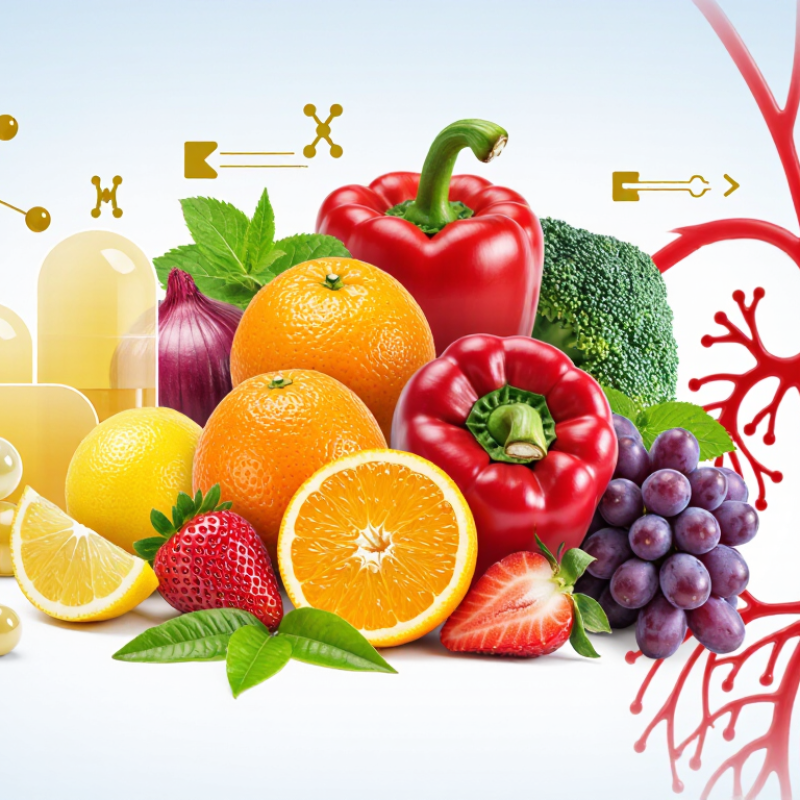
Vitamin C and bioflavonoids are plant-related nutrients, but they are not the same substance. Vitamin C, also called ascorbic acid, is a water-soluble vitamin. It supports collagen formation, normal immune function, wound healing, and iron absorption. The NIH Office of Dietary Supplements reports daily recommendations of 75 milligrams for adult women and 90 milligrams for adult men. Smokers need an additional 35 milligrams daily because smoking increases oxidative stress. That detail is often overlooked.
Bioflavonoids are natural plant compounds found in citrus fruits, berries, onions, tea, and colorful vegetables. Common groups include flavonols, flavones, and flavanones. They may help plants manage sunlight and environmental stress. In humans, research mainly examines their antioxidant and vascular effects. However, no universal daily requirement exists for bioflavonoids. Their activity can also vary by food source, digestion, and individual metabolism. The evidence is promising, but not perfectly consistent.
Food is the practical starting point. One orange provides vitamin C along with fiber and other plant compounds, while peppers and broccoli can provide substantial amounts too. The NIH sets 2,000 milligrams per day as the adult upper limit for vitamin C from supplements and food. Higher supplemental doses may cause stomach discomfort or diarrhea. Combined products are not automatically better. More research is still needed on whether isolated bioflavonoids offer advantages beyond a varied diet. (NIH Office of Dietary Supplements, Vitamin C Fact Sheet; EFSA NDA Panel, Dietary Reference Values for Vitamin C.)
Vitamin C is a water-soluble nutrient that supports collagen production, immune function, and iron absorption. It also helps protect cells from oxidative stress. The body cannot store large amounts, so daily intake matters.
According to the U.S. National Institutes of Health, adults generally need 75–90 milligrams daily. Smokers need 35 milligrams more because smoking increases oxidative stress.
Bioflavonoids are plant compounds found in citrus fruits, berries, onions, and tea. They may influence antioxidant activity and communication between cells. Their effects can differ widely.
The evidence is not as tidy as supplement labels suggest. Some studies indicate that vitamin C may slightly shorten common-cold duration. A Cochrane review reported reductions of about 8% in adults and 14% in children with regular use. It does not reliably prevent colds for everyone.
Absorption also has limits. The NIH reports that vitamin C absorption falls when doses exceed 1,000 milligrams, while excess amounts leave through urine. High doses may cause stomach discomfort or diarrhea.
Pairing vitamin C with bioflavonoids sounds biologically appealing, but strong human evidence for every claimed benefit remains incomplete. Food provides a useful testing ground: a sliced orange supplies vitamin C, fluid, fiber, and naturally occurring plant compounds. That practical detail is easy to overlook.
What Is Vitamin C And Bioflavonoids Used For?
Common Uses of Vitamin C and Bioflavonoid Supplements
Vitamin C is an essential nutrient that supports collagen production, immune function, and antioxidant protection. Collagen helps maintain skin, gums, blood vessels, cartilage, and wound repair. Vitamin C also improves the absorption of iron from plant foods, such as lentils and spinach. A supplement may be useful when diet alone does not provide enough, especially during periods of restricted eating.
Bioflavonoids are natural plant compounds found in citrus fruits, berries, onions, and tea. They are often combined with vitamin C because both occur together in many foods. People commonly use these supplements to support antioxidant defenses and normal blood vessel function. Some products are marketed for seasonal comfort or circulation, but research is not equally strong for every claim. More evidence is still needed.
Tips: Take vitamin C with food if it causes stomach discomfort. Choose supplements with clear ingredient amounts, and avoid assuming that higher doses work better. Adults generally should not exceed 2,000 milligrams of vitamin C daily from supplements and food without professional guidance. Extra caution is sensible with kidney problems, iron-storage disorders, or regular medicines. Ask a qualified healthcare professional before starting supplementation. Small dietary changes may be enough: add sliced peppers, oranges, or broccoli to a meal. Supplements are not automatically better.
What Is Vitamin C And Bioflavonoids Used For?
Potential Health Benefits and Nutritional Sources
Vitamin C is a water-soluble nutrient that supports collagen production, wound healing, and normal immune function. It also helps the body absorb non-heme iron from plant foods. Bioflavonoids are natural plant compounds found in many colorful fruits and vegetables. They are not vitamins, but they may support antioxidant activity and healthy blood vessels.
Fresh oranges, kiwi, strawberries, bell peppers, broccoli, and cabbage provide useful amounts of vitamin C. Citrus peels and the white inner pith contain several bioflavonoids, although most people eat only the juicy segments. Onions, berries, apples, and leafy vegetables also add varied plant compounds. Food choices matter because whole produce supplies fiber and other nutrients together.
Potential benefits can sound larger than the evidence supports. Vitamin C may reduce the duration of a common cold for some people, but it does not reliably prevent every infection. Bioflavonoid research is promising, yet results differ by compound, dose, and individual health. High-dose supplements may cause stomach discomfort and can be unsuitable for people with certain kidney conditions. Adults should discuss regular high-dose use with a qualified healthcare professional, especially when taking medication. A practical approach is simple: eat colorful produce daily, protect vitamin C from prolonged heat, and treat supplements as optional rather than automatically better.
Vitamin C supports normal collagen formation, immune function, antioxidant protection, and the absorption of iron from plant foods. Bioflavonoids are naturally occurring plant compounds found in many fruits and vegetables. They often occur alongside vitamin C and may contribute to antioxidant activity, although they do not have an established daily recommended intake.
The chart shows approximate vitamin C content in selected raw foods. Values can vary with variety, growing conditions, storage, and preparation.
Vitamin C supports collagen production, wound healing, iron absorption, and normal immune function. The NIH Office of Dietary Supplements recommends 75 milligrams daily for adult women and 90 milligrams for adult men. Smokers need 35 milligrams more each day. Bioflavonoids are plant compounds found in citrus fruits, berries, onions, and tea. They may support antioxidant activity, but evidence for supplements remains less consistent.
Safety matters more than attractive dosage claims. The adult upper limit for vitamin C is 2,000 milligrams daily, according to the NIH. Higher amounts can cause diarrhea, stomach cramps, nausea, or heartburn. A full glass of water may reduce discomfort, but it cannot prevent every reaction. People with kidney stone history should ask a healthcare professional before using high-dose products. Vitamin C can also affect certain laboratory tests and may interact with some medicines.
There is no universally accepted daily intake for bioflavonoids. Supplement formulas vary widely, so one capsule may not equal another. The European Food Safety Authority has noted that health effects depend on the specific compound, dose, and evidence quality. That detail is often overlooked. Food sources are usually easier to assess: an orange, red pepper, or handful of berries provides vitamin C with other nutrients. Individual needs still differ, and “natural” does not automatically mean risk-free.
Vitamin C supports collagen production, normal immune function, wound repair, and iron absorption. Bioflavonoids may support antioxidant activity and normal blood vessel function. Their benefits are not identical.
Oranges, kiwi, strawberries, peppers, broccoli, and cabbage provide vitamin C. Berries, onions, apples, tea, and citrus pith provide bioflavonoids. Colorful meals help.
Vitamin C may slightly shorten cold symptoms for some people. It does not reliably prevent every infection. The evidence is limited.
Adult women generally need 75 milligrams daily. Adult men generally need 90 milligrams. Smokers need 35 milligrams more each day.
Adults generally should not exceed 2,000 milligrams daily from food and supplements without professional guidance. Higher amounts may cause diarrhea, cramps, nausea, or heartburn.
Ask a qualified healthcare professional if you have kidney problems, kidney stones, iron-storage disorders, or regular medicines. Vitamin C can affect some laboratory tests.
Research appears promising, but results vary by compound, dose, and individual health. There is no universally accepted daily intake. I should not overstate the evidence.
Take it with food and a full glass of water. Stop and seek advice if symptoms continue. Food may be enough.
Not automatically. An orange, red pepper, or handful of berries also provides fiber and other nutrients. Small dietary changes may work better for some people.
Vitamin C And Bioflavonoids are naturally occurring nutrients that work together to support normal body functions. Vitamin C is a water-soluble vitamin involved in collagen production, immune system activity, wound healing, and antioxidant protection. Bioflavonoids are plant compounds found in colorful fruits and vegetables that may help protect cells from oxidative stress and support the body’s use of vitamin C. Together, they are commonly used in nutritional supplements intended to support immune health, skin structure, connective tissue, and overall antioxidant balance.
Good dietary sources include citrus fruits, berries, peppers, leafy greens, broccoli, and other colorful produce. Although supplements may be useful when dietary intake is limited, they should complement—not replace—a balanced diet. Recommended amounts vary according to age, health status, and individual needs. Excessive vitamin C intake may cause stomach discomfort, nausea, or diarrhea, while some people may be sensitive to concentrated bioflavonoid products. Anyone with a medical condition, taking medication, or considering high-dose supplementation should seek advice from a qualified healthcare professional.
