High-purity botanical extracts, active ingredients, and OEM/ODM specialized compounds for global buyers.
The global phytomedicine and functional food sectors are experiencing an unprecedented surge in demand for active organosulfur compounds derived from garlic (Allium sativum). At the center of this movement are Alliin and its enzymatically catalyzed bio-derivative, Allicin. In nature, Alliin serves as a stable precursor molecule. Upon tissue disruption, the endogenous enzyme alliinase converts Alliin into Allicin, the volatile compound responsible for the pungent aroma and the therapeutic profile of freshly crushed garlic.
From an industrial perspective, Allicin represents one of the most therapeutically potent yet biochemically volatile phytotherapeutic agents known. Globally, pharmaceutical manufacturers, animal nutrition formulators, and organic agricultural firms are seeking highly standardized, stabilized forms of Allicin and Alliin to serve as natural antimicrobials, cardiovascular protective agents, and pest mitigators. However, the commercial synthesis and extraction of these compounds present significant chemical challenges:
As regulatory landscapes tighten around the use of synthetic antibiotics in livestock feed and chemical pesticides in agriculture, the market for standardized allicin powders and high-purity alliin precursors is projected to expand significantly. Forward-thinking manufacturers are leveraging supercritical CO₂ extraction, low-temperature spray drying, and specialized cyclodextrin micro-encapsulation techniques to overcome these stability barriers, paving the way for stable, high-potency formulations.
To establish credible formulation and procurement protocols, it is essential to trace the kinetic pathways of Alliin conversion. Inside undisturbed garlic cells, Alliin (L-alliin, an S-substituted L-cysteine sulfoxide derivative) resides in the cytoplasm, while the alliinase enzyme remains isolated inside the vacuoles. When the plant tissue is crushed, ground, or processed under aqueous conditions, the cellular barriers are breached.
This triggers the immediate conversion of L-alliin into allylsulfenic acid via a pyridoxal phosphate-dependent beta-elimination pathway. Two molecules of allylsulfenic acid subsequently undergo spontaneous non-enzymatic condensation to produce one molecule of Allicin. Commercially, this reaction is highly dynamic. Without precise industrial stabilization, the newly formed Allicin undergoes rapid nucleophilic attacks or thermal dimerization, rendering the product biologically inactive or converting it into oily, less effective sulfides.
For B2B buyers looking to construct science-backed nutraceutical lines, partnering with an experienced supplier that understands these chemistry constraints is crucial. Modern analytical verification, particularly High-Performance Liquid Chromatography (HPLC) using cold-column elution, remains the gold standard for verifying actual Allicin-yield potentials.
Chengdu Chenlv Herb Co., Ltd. — Precision Botanical Extraction Since 2012
Chengdu ChenLv Herb Co., Ltd. (referred to as "Chenlv Herb") was established in 2012 as a high-tech enterprise specializing in the R&D, production, and sales of botanical extracts and natural pharmaceutical ingredients. Committed to providing high-purity, highly active, and premium-quality natural raw materials, the company serves diverse industries, including pharmaceuticals, health supplements, food, and cosmetics.
China stands as the undisputed global epicenter for garlic cultivation, commanding over 70% of the world's raw garlic supply. The major agricultural zones in Shandong, Henan, and Jiangsu provinces provide an unmatched supply of premium garlic bulbs. This geographic concentration offers direct cost advantages and ensures a fresh, continuous supply of raw materials for domestic extractors like Chenlv Herb.
By extracting Allicin and Alliin within close geographic proximity to these harvesting centers, Chinese factories eliminate the degradation risks associated with the long-distance transport of fresh bulbs. Furthermore, the combination of raw material abundance and advanced industrial scaling offers distinct operational advantages:
This integration of abundant raw materials, specialized high-tech extraction machinery, and stringent quality control protocols allows Chinese manufacturers to offer superior cost-performance ratios without sacrificing purity or active ingredient viability.
Why leading global brands choose Chengdu Chenlv Herb Co., Ltd.

Creative scientific designs, advanced phytochemical extraction parameters, and formulation support that elevate your brand's efficacy.

Eco-friendly extraction pipelines aligned with today's environmental values, maximizing raw material yields and purity.

End-to-end green manufacturing and packaging solutions ensuring a minimal carbon footprint and clean-label compliance.

Fast turnaround, agile cargo scheduling, and dedicated customs handling to match your tight commercial timelines.

A dedicated QC/QA team supporting you every step of the way with fully documented HPLC tests, heavy metal analyses, and safety profiles.

Over a decade of industry expertise ensuring chemical precision, technical excellence, and smooth cross-border transactions.
Modern applications of Allicin and Alliin span multiple high-growth industries. Historically valued for simple culinary and folk-medicine uses, these standardized extracts are now recognized for their precise biological mechanisms, supporting advanced formulations in several fields:
1. Human Nutraceuticals & Cardiovascular Therapeutics: Allicin acts as a natural vasodilator by interacting with red blood cells to produce hydrogen sulfide (H₂S), which relaxes vascular smooth muscle. Standardized Alliin powders are incorporated into cardiovascular support supplements, lipid-management tablets, and immune-enhancing capsules.
2. Agritech & Plant Protection: In organic farming, aqueous allicin preparations serve as broad-spectrum biopesticides and biofungicides. Its strong oxidizing properties disrupt cell walls in phytopathogenic fungi (e.g., Phytophthora species) and repel chewing pests without leaving toxic synthetic chemical residues on food crops.
3. Veterinary Health & Aquaculture: With the global push to eliminate prophylactic antibiotic growth promoters (AGPs) in livestock feed, allicin has emerged as a key natural alternative. Incorporating stabilized garlic extracts into poultry, swine, and aquaculture feeds improves animal gut health, controls pathogenic *E. coli* and *Salmonella*, and enhances growth rates naturally.
Targeted phytochemical solutions across sectors

Driven by the concept of "homology of medicine and food" and modern health needs, plant extracts have gradually become the core raw materials for the development of health care products due to their natural, green and safe characteristics.
READ MORE →
From herbal formulas recorded in ancient books to modern innovative drugs, plant extracts occupy a prominent position in the pharmaceutical industry due to their active ingredients and unique pharmacological effects.
READ MORE →
With consumers' pursuit of natural, safe, and sustainable skincare concepts, plant extracts have become a favorite in the cosmetics industry due to their mildness, versatility, and biocompatibility, bringing new solutions for skin care.
READ MORE →
Plant extracts show great potential in improving animal health, enhancing production performance, and optimizing culture benefits, and are becoming a research hotspot in the field of animal nutrition.
READ MORE →Procuring raw organosulfur compounds requires rigorous quality verification. Simple organosulfur oils can easily be adulterated with synthetic oil carriers, and low-quality garlic powders may lack the enzymatic activity needed to yield active allicin. When evaluating prospective manufacturing partners, procurement directors should require the following verification steps:
Sellers must supply comprehensive batch documentation, including High-Performance Liquid Chromatography (HPLC) profiles. Because Allicin is volatile, "Allicin Yield" tests must be performed under strict cold-column conditions. The presence of L-Alliin should be verified using amino-acid chromatography to ensure a consistent, reliable phytochemical profile.
To prevent raw extracts from caking or degrading, manufacturers use excipients like maltodextrin, silica, or starches. B2B buyers must verify that these carriers align with target-market regulations (e.g., non-GMO verification, allergen declarations, and clean-label compliance for health foods).
A reputable supplier must guarantee clean safety parameters. Demand certificates showing heavy metal levels within strict international limits (Lead < 3.0 ppm, Arsenic < 1.0 ppm, Cadmium < 0.1 ppm, Mercury < 0.1 ppm). Pesticide residues must be verified under USP <561> or European Pharmacopoeia (EP 2.8.13) standards, and solvent residues must meet ICH Q3C limits to confirm the absence of toxic hydrocarbons.
Our structured, step-by-step OEM/ODM manufacturing workflow
 01
01
Initial alignment and technical consultations to define your target extract requirements.
 02
02
Providing transparent, commercial quotes based on batch volumes and target specifications.
 03
03
Drafting and signing legal agreements to establish quality assurance and delivery timelines.
 04
04
Optimizing custom formulation parameters and developing test batches in our laboratory.
 05
05
Scaling up production in our certified facilities following sample validation.
 06
06
Strict quality control testing and issuing official Certificates of Analysis (CoA).
 07
07
Secure logistics handling, global customs clearance support, and final product delivery.
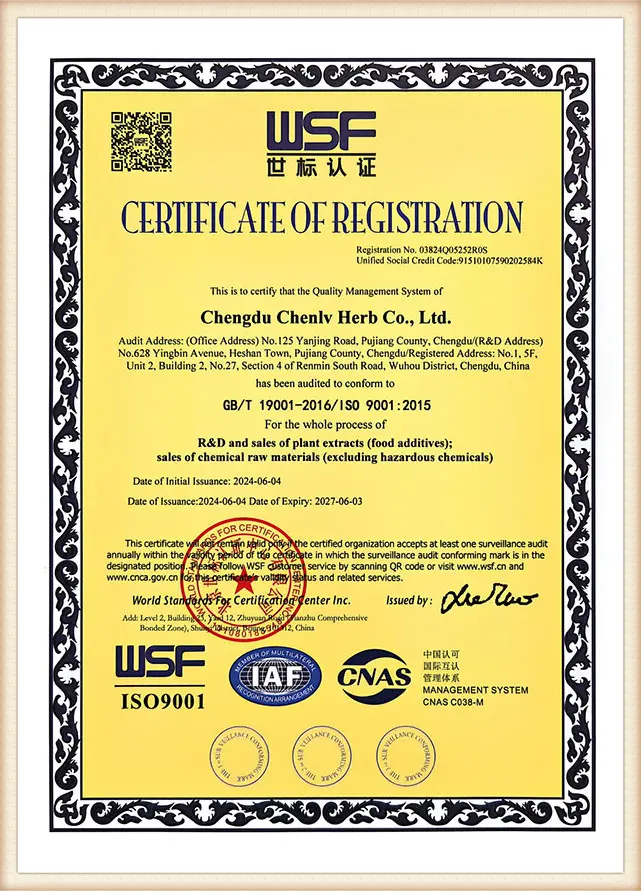
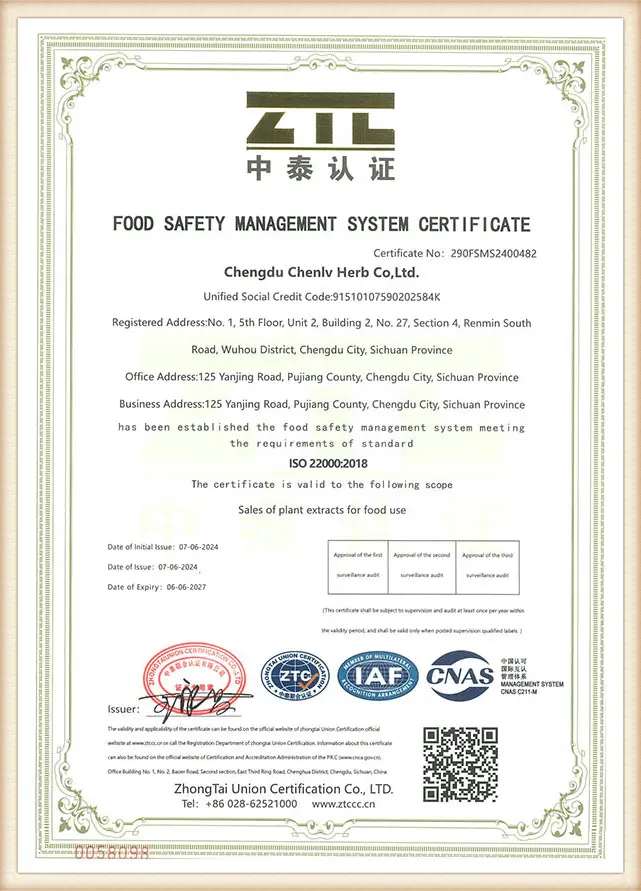
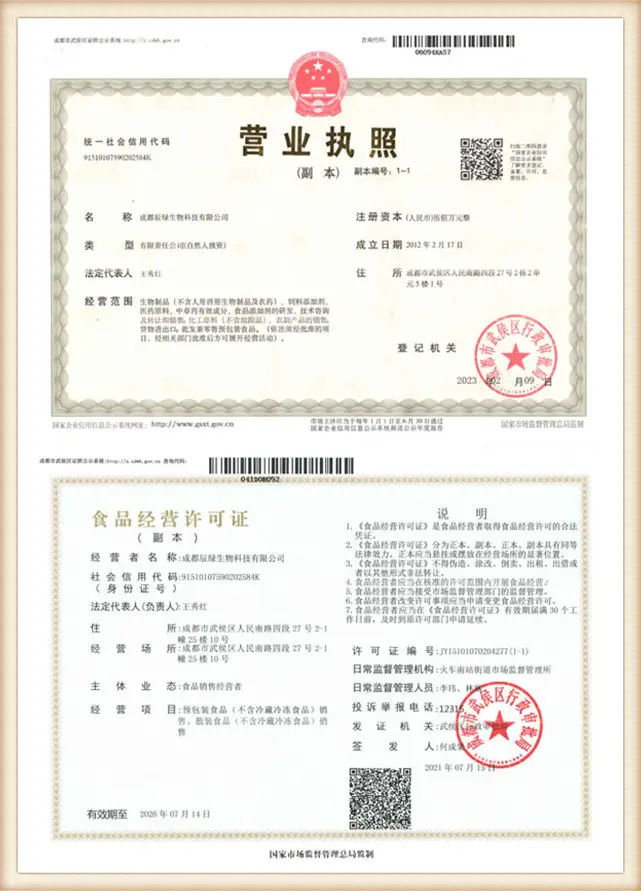
Compliance and international standards including ISO9001, ISO22000, HALAL, KOSHER, and FDA registrations.
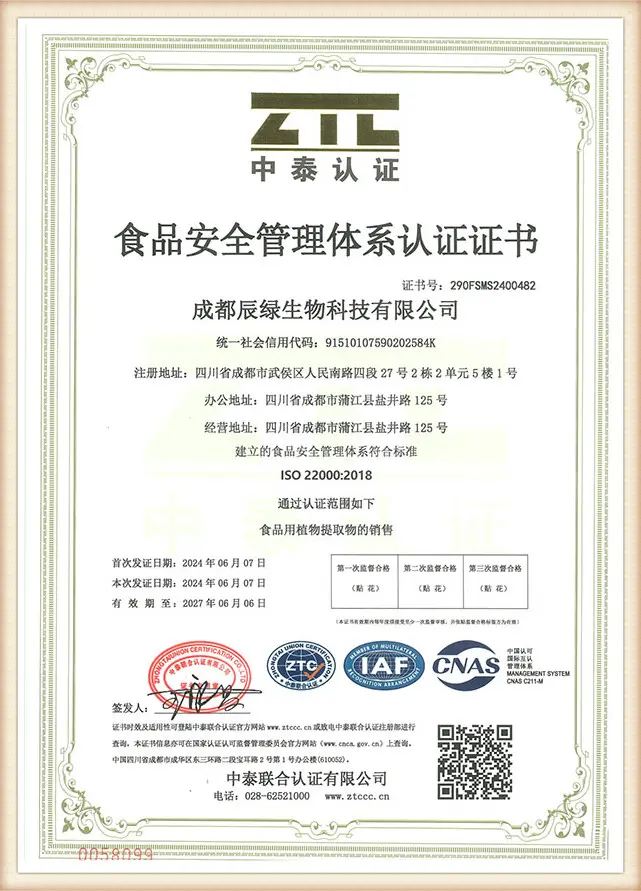
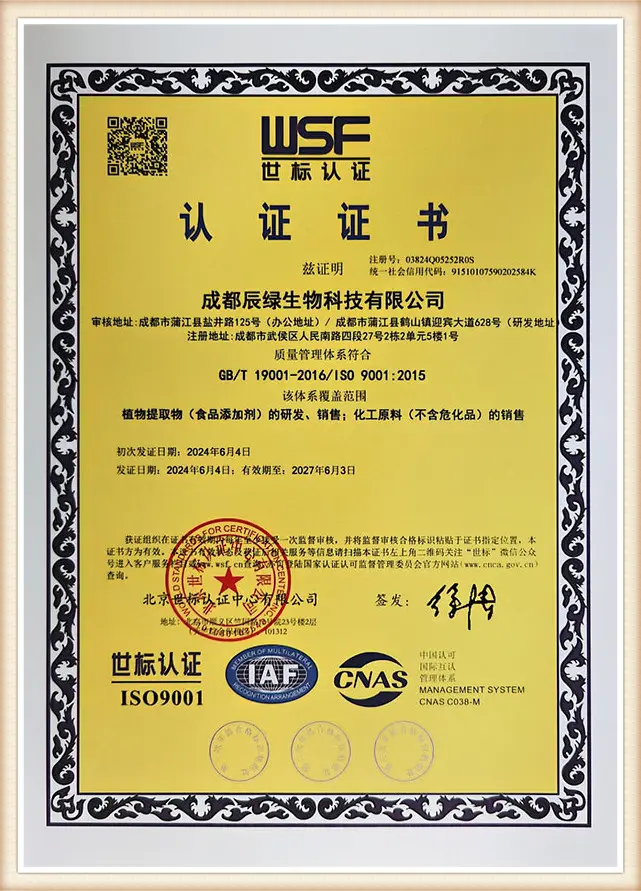
The organosulfur market is shifting toward bio-synthetic and enzymatically engineered solutions. While natural extraction remains the standard, researchers are optimizing recombinant alliinase production in microbial hosts. This enzymatic approach allows for the clean conversion of precursor Alliin into highly concentrated Allicin in closed-loop systems, reducing the reliance on garlic crops and minimizing aromatic odors.
Additionally, the integration of nanoliposomal carrier networks represents a major technological leap. Nanoliposomes shield Allicin from oxidation and improve cellular uptake in intestinal tissues, enabling pharmaceutical companies to develop low-dose formulations with high biological efficacy.
In agriculture, the demand for natural pest control is growing. Global regulatory agencies are restricting synthetic organophosphate compounds, driving agricultural operators toward broad-spectrum biopesticides. Standardized, spray-dried allicin complexes are emerging as highly effective, clean-label alternatives, strengthening their position in global B2B procurement networks.
Technical answers to key questions about organosulfur extracts.
L-Alliin is a stable, odorless sulfur-containing amino acid derivative naturally present in fresh, intact garlic. Allicin is the active organosulfur compound formed when L-Alliin is converted by the alliinase enzyme, which occurs when the garlic cells are crushed or broken. Alliin has excellent chemical stability and is easily dried into powders, whereas Allicin is volatile and sensitive to heat, oxidation, and acidic environments.
We use advanced low-temperature spray drying and microencapsulation technologies, coating the active compounds in maltodextrin or beta-cyclodextrin matrices. This shields the molecules from thermal oxidation and ambient moisture, ensuring a long shelf life and consistent bioactivity in feed, supplement, and agritech applications.
We utilize High-Performance Liquid Chromatography (HPLC) using cold-column elution protocols. This prevents the thermal breakdown of the target compounds during analytical testing, providing an accurate, reliable measure of the actual active ingredient profile.
Lead times vary depending on the level of customization. Typically, custom packaging configurations or specific active concentration targets are finalized and shipped within 15 to 25 working days. This includes production scaling, analytical verification, and quality release checks.
Yes. Our microencapsulated allicin powders are designed to withstand brief thermal processing up to 85°C. This allows the active ingredients to survive standard conditioning and pelleting steps without losing their biological activity.
Industry insights and updates from Chengdu Chenlv Herb Co., Ltd.
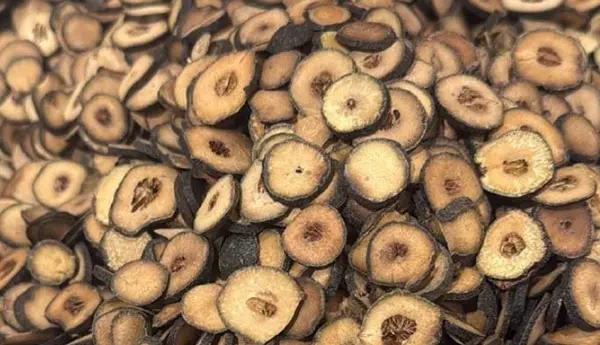
Recently, the market price of Citrus aurantium raw materials in China has been on the rise, drawing significant attention from the industry. As the new production season comes to an end and new supplies enter the market, price fluctuations have become a focal point...
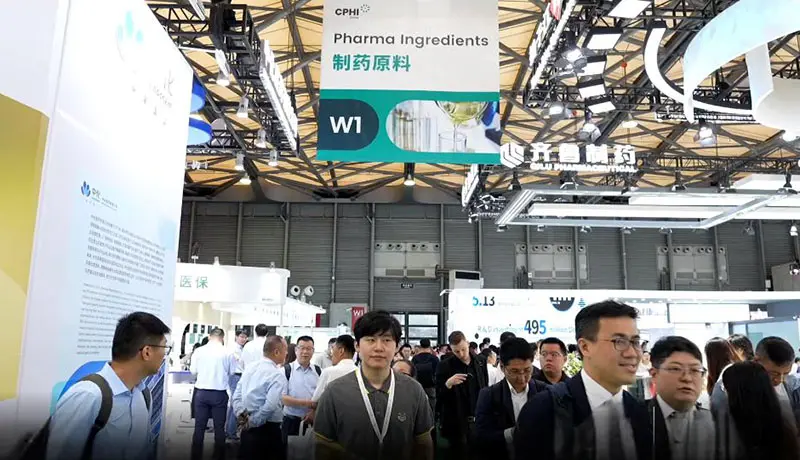
As a leading voice in China's pharmaceutical raw materials industry on the global stage, we are excited to showcase our latest technologies and natural ingredient solutions at the 23rd CPHI China in 2025...
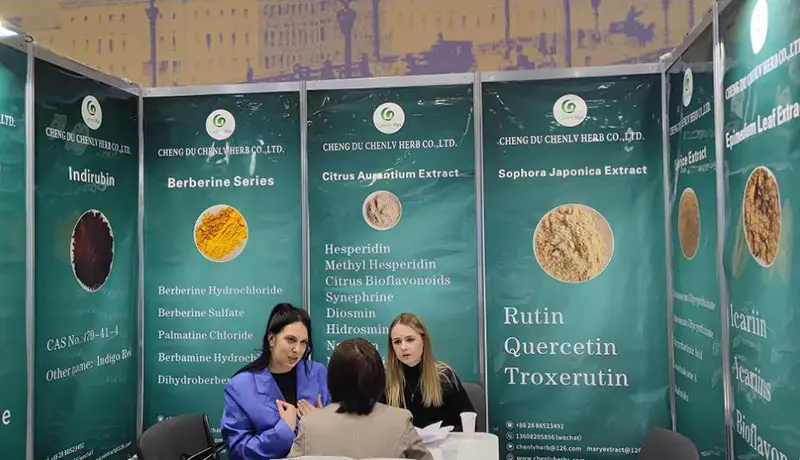
Join us at the upcoming API conference, where we will present our latest research findings, advanced extraction protocols, and customized product options for pharmaceutical developers...
For inquiries about our products, customized parameters, or current price lists, please reach out. Our team will get back to you within 24 hours.
Contact USHigh-purity botanical raw materials and targeted OEM/ODM solutions.