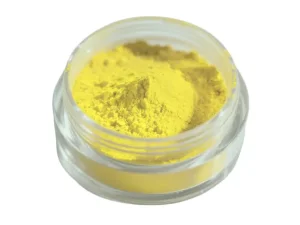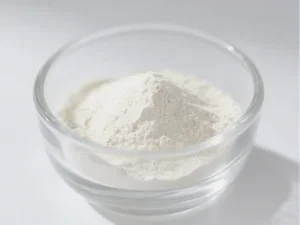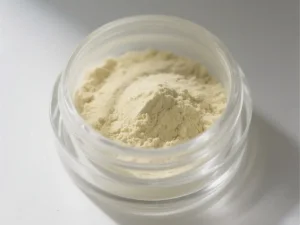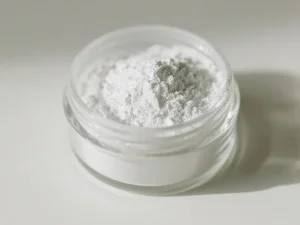
Explore our highly-purified botanical raw materials designed for synergistic pharmaceutical and therapeutic formulations.
A Comprehensive Technical Whitepaper on Neonatal Hyperbilirubinemia Management.
Neonatal jaundice affects up to 60% of term and 80% of preterm infants globally during the first week of life. The core pathophysiology revolves around the accumulation of unconjugated bilirubin, which, if left untreated, can cross the blood-brain barrier resulting in permanent neurological sequelae (kernicterus). The primary clinical standard of care remains blue light phototherapy (commonly termed "Jaundice Light"), which converts toxic bilirubin isomers into water-soluble structural isomers like lumirubin, easily excreted via bile and urine without requiring hepatic conjugation.
However, physical phototherapy alone represents only one axis of treatment. Modern bio-pharmacological advancements indicate that synergistic chemical interventions—specifically using natural bile acid derivatives (such as Ursodeoxycholic Acid and Chenodeoxycholic Acid) and powerful plant extract antioxidants (like Luteolin and Fisetin)—enhance enterohepatic clearance and mitigate photodynamic stress. This dual approach bridges physical medical hardware with green chemical logistics, redefining global neonatal care.
Analyzing procurement routes, cost distribution, and raw material sourcing for global phototherapy distribution.
The international market for neonatal phototherapy equipment is undergoing rapid decentralization. Traditionally dominated by high-cost Western medical device brands, the demand from public health sectors, non-governmental organizations (NGOs), and clinics in developing economies has shifted the focus toward high-efficiency, cost-optimized systems (Cheap Jaundice Light Quotes). This shift has catalyzed the growth of OEM and ODM manufacturers in Asia, which leverage standardized LED technology to drastically lower unit costs while maintaining strict clinical efficacy.
Sub-Saharan Africa and the Middle East represent high-priority zones requiring durable, low-maintenance phototherapy configurations. Localized applications focus on integrating battery-operated arrays compatible with off-grid micro-solar stations.
Asia-Pacific houses the primary manufacturing clusters for micro-LED components and high-purity petrochemical precursors, facilitating aggressive bulk pricing and rapid technological deployment in hospital settings.
Procurement agencies within the US and Latin American markets require strict FDA and CE clearances, mandating that low-cost suppliers establish advanced traceability protocols across both physical components and chemical additives.
In tandem with equipment, there is an escalating industrial demand for chemical active ingredients that serve as clinical adjuvants. For instance, oral administration of Ursodeoxycholic Acid (UDCA) during phototherapy has been clinically demonstrated to reduce the total duration of light exposure required by accelerating biliary excretion of isomers. This pharmaceutical grade compound, alongside supporting anti-inflammatory botanicals like Dipotassium Glycyrrhizinate and Chamomile extracts, is widely integrated into neonatal skin-soothing formulations designed to alleviate light-induced erythema.
High-Tech Pioneer in Botanical Extraction and Natural Pharmaceutical Ingredients
Chengdu Chenlv Herb Co., Ltd. (referred to as "Chenlv Herb") was established in 2012 as a high-tech enterprise specializing in the R&D, production, and sales of premium botanical extracts and natural pharmaceutical ingredients. We are committed to providing highly active, pure, and premium-quality raw materials that serve diverse industries, including pharmaceuticals, health supplements, food, and cosmetics.
Leveraging our geographic advantage in Chengdu—a hub for scientific innovation and traditional botanical resources—we align advanced molecular extraction technologies with global GMP standards to deliver raw materials that meet strict safety, quality, and environmental metrics.
Engineered to deliver precision, speed, and safety in botanical production

Understanding the molecular and mechanical evolution of neonatal clinical care.
As clinical standards demand shorter hospital stays, the neonatal jaundice treatment paradigm is splitting into two clear pathways: wearable fiber-optic home systems and adjuvant molecular acceleration. Fiber-optic blankets, utilizing high-efficiency side-emitting plastic optical fibers, allow uninterrupted maternal bonding while delivering a targeted 30 μW/cm²/nm irradiation dose. This eliminates the necessity of hospitalizing infants in rigid incubators under blue lamp clusters.
Simultaneously, the biochemistry sector is focused on mitigating the oxidative stress caused by intensive phototherapy. Blue light exposure is known to degrade cutaneous vitamins and induce lipid peroxidation. Formulations containing highly stable antioxidants, such as Tetrahydrocurcumin and Dipotassium Glycyrrhizinate, are being developed as photoprotective gels. When applied topically, these compounds shield the infant's delicate epidermal layer from free radicals without reducing the light absorption capacity of bilirubin in the dermal capillaries.
Transitioning from fluorescent tubes to solid-state 455nm LEDs with minimized heat footprint.
Flexible optical fiber garments and blankets that support direct skin contact and reduce stress.
Integration of pure Luteolin and UDCA to accelerate internal hepatic conversion pathways.
IoT closed-loop systems adjusting light intensity dynamically according to transcutaneous bilirubin levels.
Enabling custom molecular formulations across industries using state-of-the-art bio-extraction processes.

Driven by the concept of "homology of medicine and food" and modern health needs, plant extracts have gradually become the core raw materials for the development of health care products due to their natural, green, and safe characteristics.
READ MORE →
From herbal formulas recorded in ancient books to modern innovative drugs, plant extracts occupy the prominent position in the pharmaceutical industry due to their natural active ingredients and unique pharmacological effects.
READ MORE →
With consumers' pursuit of natural, safe, and sustainable skincare concepts, plant extracts have become a new favorite in the cosmetics industry due to their mildness, versatility, and biocompatibility, bringing new solutions for skin care.
READ MORE →
Plant extracts have shown great potential in improving animal health, enhancing production performance, and optimizing culture benefits, and are gradually becoming a research hotspot and new favorite in the field of animal nutrition.
READ MORE →Chenlv Herb provides comprehensive contract manufacturing and supply chain solutions tailored to your unique specifications.

Communicate with customers to determine product requirements

Provide a proposal quotation based on customer requirements

Sign a contract to further discuss the details of cooperation

Make samples

After customers confirm the samples, the factory schedules the production order

The factory tests the products and issues a certificate of analysis

Deliver finished products to customers
Our facilities are fully certified by ISO9001, ISO22000, HALAL, KOSHER, and the FDA.
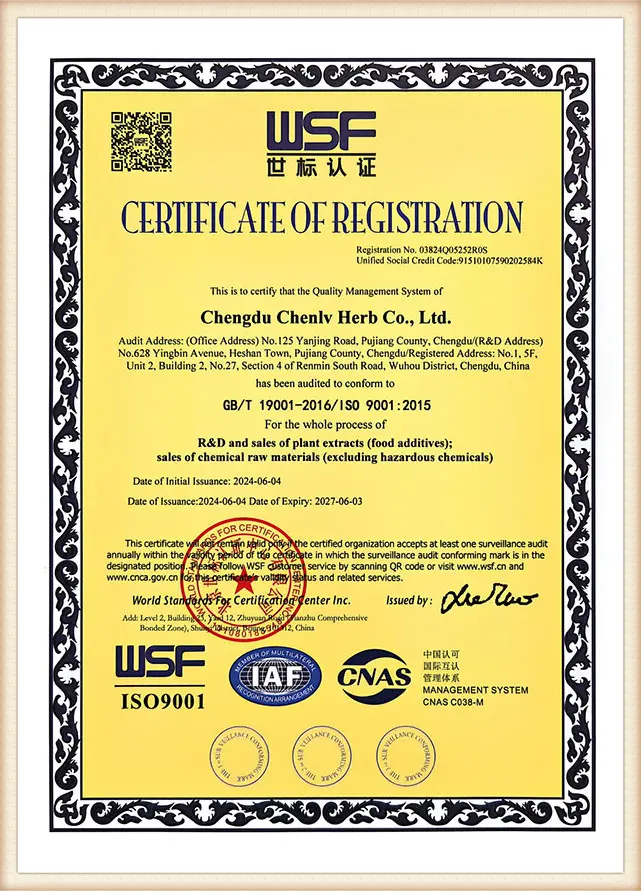
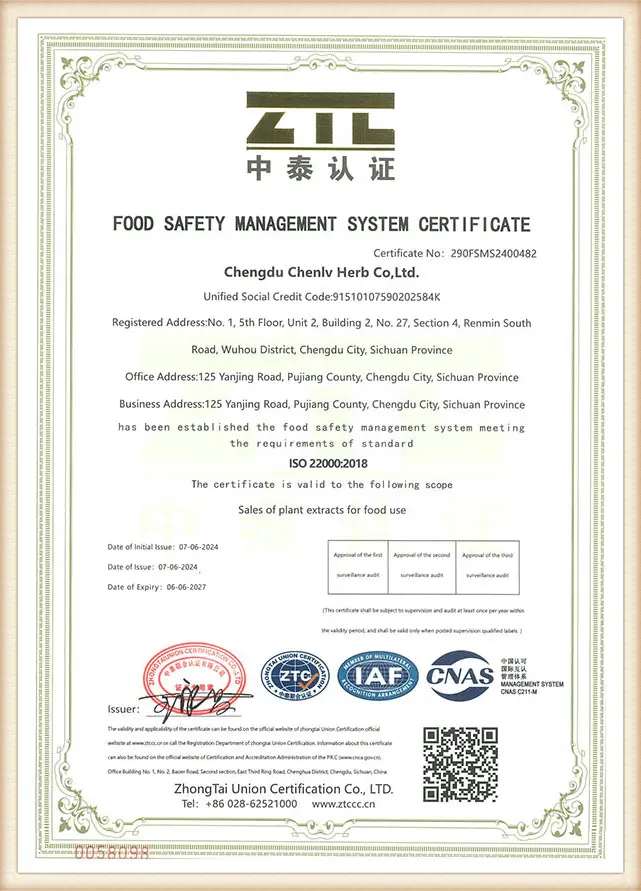
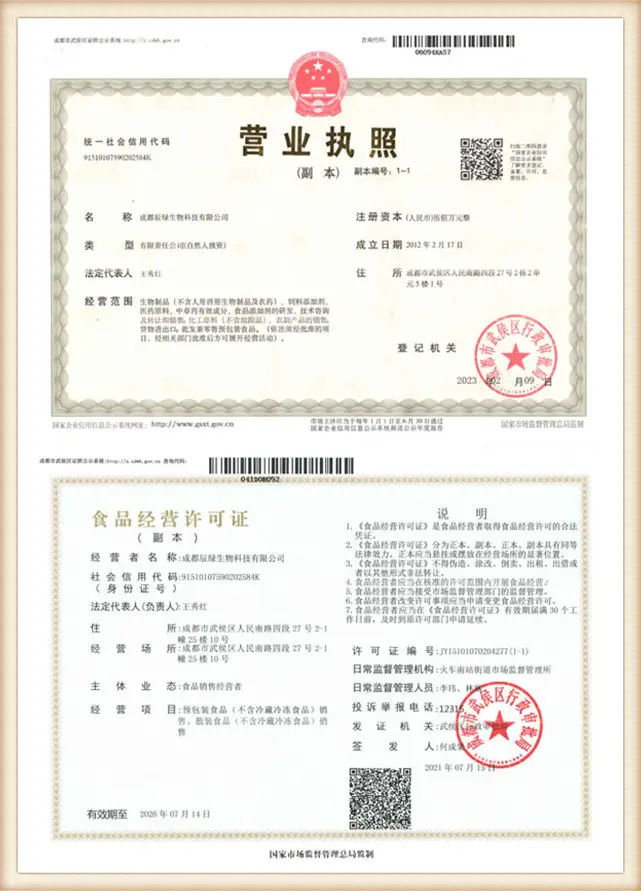
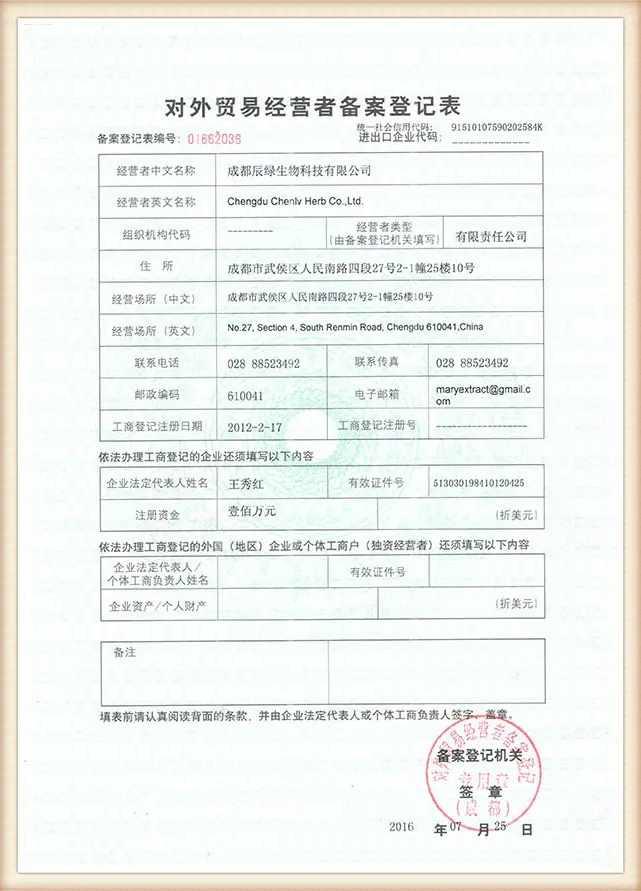
Integrating research, manufacturing protocols, and medical analysis to inform global procurement strategies.
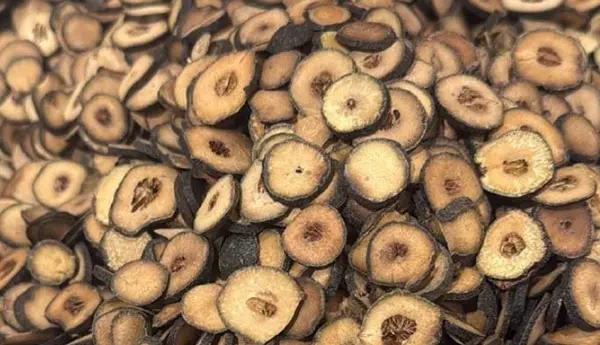
As supply dynamics shift globally, Citrus aurantium derivatives see steady valuation increases due to high utilization in pharmaceutical digestive and metabolic enhancers...
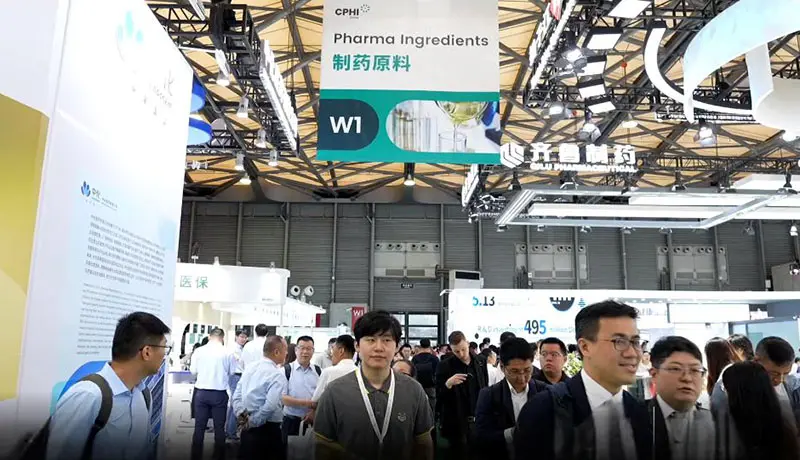
Join us at the 23rd China Pharmaceutical Raw Materials Exhibition to discover active molecules targeting therapeutic formulations and skin protection complexes...
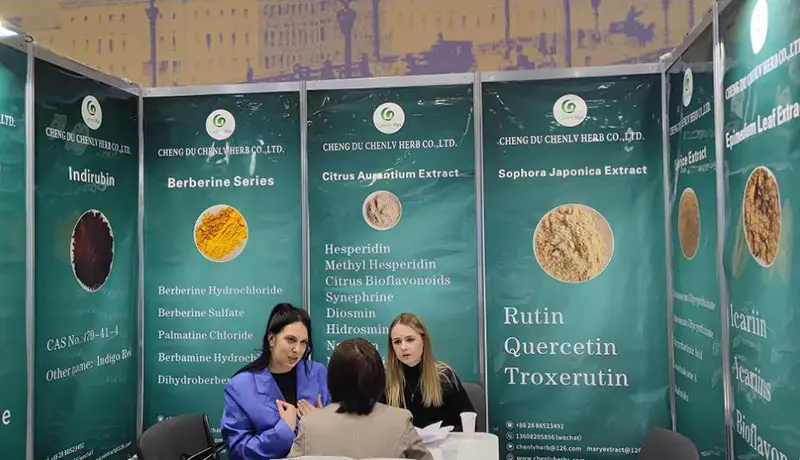
Our senior pharmaceutical engineering team will present new pathways in clean molecular extraction processes and high-integrity batch processing solutions...
For inquiries about our specialized compound pricelists, custom synthesis capabilities, or high-purity extracts, leave your email. We respond within 24 hours.
Direct technical answers addressing global procurement queries, molecular biochemistry, and safety guidelines.
Explore our complete scientific raw material selection tailored for international pharmaceutical compounding.