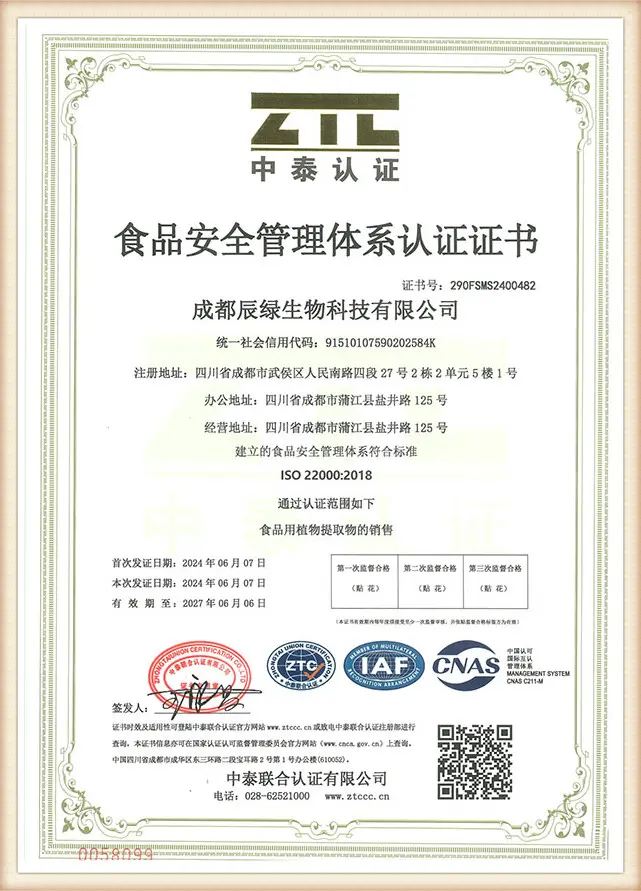
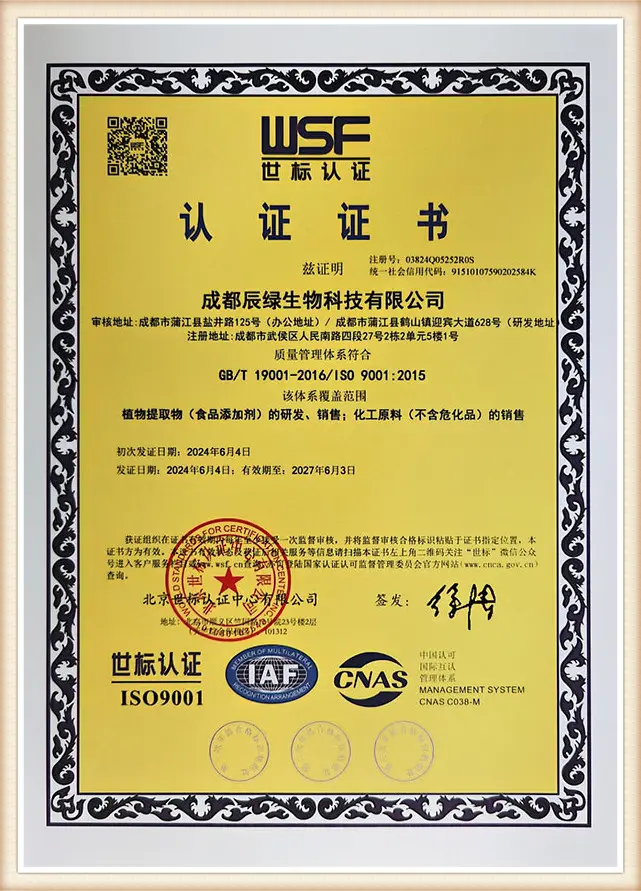
Chengdu ChenLv Herb Co.,Ltd. was established in 2012 as a high-tech enterprise specializing in the R&D, production, and sales of botanical extracts and natural pharmaceutical ingredients.
Committed to providing high-purity, highly active, and premium-quality natural raw materials, the company serves diverse industries, including pharmaceuticals, health supplements, food, and cosmetics.
Established In
An authoritative analysis of Custom Bilirubin Light technologies, global procurement requirements, material science interfaces, and China's advanced manufacturing capabilities.
Executive Summary: Neonatal hyperbilirubinemia, clinically manifested as jaundice, affects up to 60% of term neonates and 80% of preterm infants in the first week of life. Phototherapy remains the non-invasive gold standard treatment to prevent kernicterus, an irreversible neurological impairment caused by unconjugated bilirubin crossing the blood-brain barrier. The efficiency of phototherapy relies completely on specific physical parameters: light wavelength, spectral irradiance, light footprint, and raw component structural resilience. As global clinical guidelines tighten regulatory requirements, the demand for high-performance, custom-manufactured bilirubin lights (infant phototherapy systems) has grown exponentially. This whitepaper analyzes current technological shifts, manufacturing methodologies, material supply dependencies, and global market demands.
Unconjugated bilirubin (UCB) is hydrophobic and cannot be cleared by the infant's immature liver. Phototherapy uses blue-green light to induce photochemical reactions in the subcutaneous space, converting bilirubin into water-soluble isomers that bypass the liver and are excreted via bile and urine. The molecular mechanism encompasses three primary pathways:
Optimal light absorption by bilirubin occurs in the blue-green spectrum, peaking between 458 nm and 462 nm. While older systems utilized fluorescent tubes or halogen spotlights, modern medical standards dictate the use of high-power LED systems. LEDs emit a narrow, targeted spectrum, generating minimal heat and eliminating harmful ultraviolet (UV) emissions, making them the preferred choice for custom equipment manufacturing.
For custom medical device manufacturers, selecting the proper light source is critical. The transition from fluorescent and halogen lights to Solid-State LED technology has redefined phototherapy performance:
"Medical-grade LED arrays provide an average lifetime exceeding 50,000 hours, whereas conventional fluorescent tubes decay within 2,000 hours. The spectral stability of LEDs ensures consistent therapeutic irradiance over multiple years of clinical use."
Furthermore, halogen lamps present safety hazards due to high heat generation, which increases the risks of infant dehydration and hyperthermia. LEDs run cool, allowing manufacturers to build ultra-thin, flexible phototherapy blankets (fiber-optic pads) and overhead panels that can be positioned closer to the infant without risking burns or fluid loss.
Manufacturing specialized medical phototherapy devices requires careful calibration across several mechanical, electrical, and optical parameters:
Clinical efficacy requires a minimum irradiance of 30 μW/cm²/nm in the 430-490 nm band. Custom manufacturing allows designers to fine-tune the drive current and optical lenses to achieve up to 60 μW/cm²/nm (intensive phototherapy), facilitating faster clearance times for critical cases.
Even though LEDs generate less heat than halogen bulbs, high-density LED arrays require advanced thermal management. Heat sinks made of anodized aluminum or active cooling loops are integrated into the chassis to maintain stable junction temperatures, ensuring the light's wavelength does not shift toward ineffective spectral regions.
Customization must address diverse clinical settings. Devices must offer versatile mounting systems, including height-adjustable mobile stands, incubator integration brackets, and flexible wall mounts, allowing healthcare staff to position the unit easily around other medical equipment.
The development of next-generation phototherapy systems is closely connected to advanced material science and biochemistry. To protect neonatal skin from oxidative stress during intensive phototherapy, research is shifting toward bio-active barrier materials and clinical-grade natural compounds.
Botanical extracts such as Quercetin, Hesperidin, Apigenin, and Pterostilbene are being studied for their potential to mitigate skin inflammation and oxidative damage associated with prolonged light exposure. High-purity natural ingredients supplied by advanced biochemical laboratories (like Chenlv Herb) serve as the foundation for topical clinical emulsions, bio-sensors, and optical calibrators used in diagnostic testing for neonatal hyperbilirubinemia.
China has become a major hub for medical-grade phototherapy equipment manufacturing. By leveraging Factory 4.0 automation, Chinese factories combine advanced electronics manufacturing with strict quality control protocols:
This integrated supply chain allows domestic factories to offer significant cost advantages, rapid prototyping, and shorter lead times, helping global distributors deploy life-saving medical equipment to healthcare facilities quickly and efficiently.
Medical procurement is subject to strict regulatory standards. Custom manufacturers must obtain certifications to participate in global hospital tenders:
In the United States, phototherapy devices are classified as Class II medical devices requiring FDA 510(k) clearance. In Europe, they must meet the Medical Device Regulation (MDR 2017/745) requirements, carrying the CE mark. Electrical safety must comply with IEC 60601-1 (General Requirements for Basic Safety) and IEC 60601-2-50 (Particular Requirements for the Safety of Infant Phototherapy Equipment).

Creative designs and advanced R&D solutions that elevate your brand and clinical efficiency.

Eco-friendly packaging and production workflows aligned with contemporary sustainability values.

End-to-end cosmetic packaging and biological extraction pathways designed to minimize ecological footprints.

Fast turnaround, agile manufacturing queues, and reliable delivery to meet tight project timelines.

A dedicated quality control team supporting you with analytical testing at every step of the process.

Years of clinical and chemical manufacturing expertise ensuring precision, safety, and compliance.


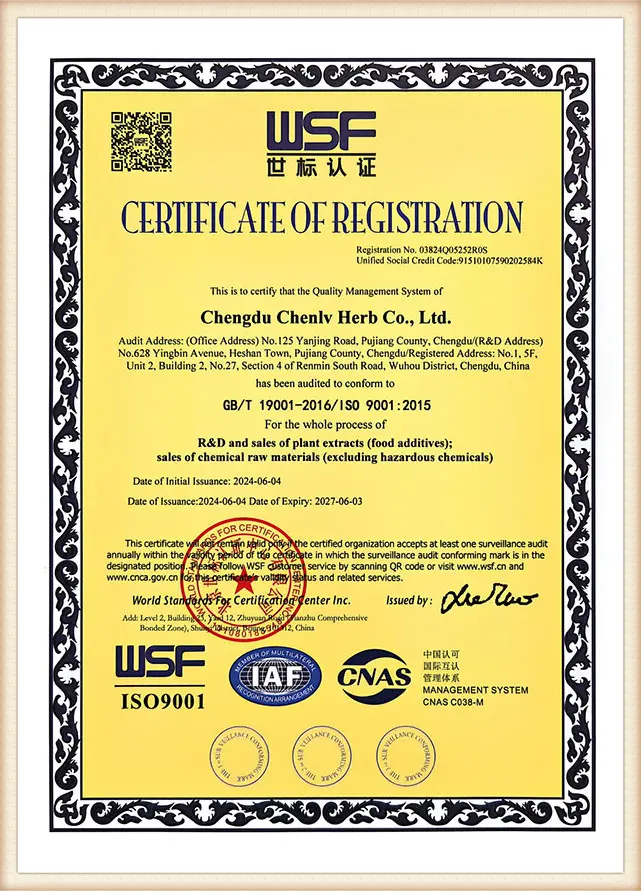
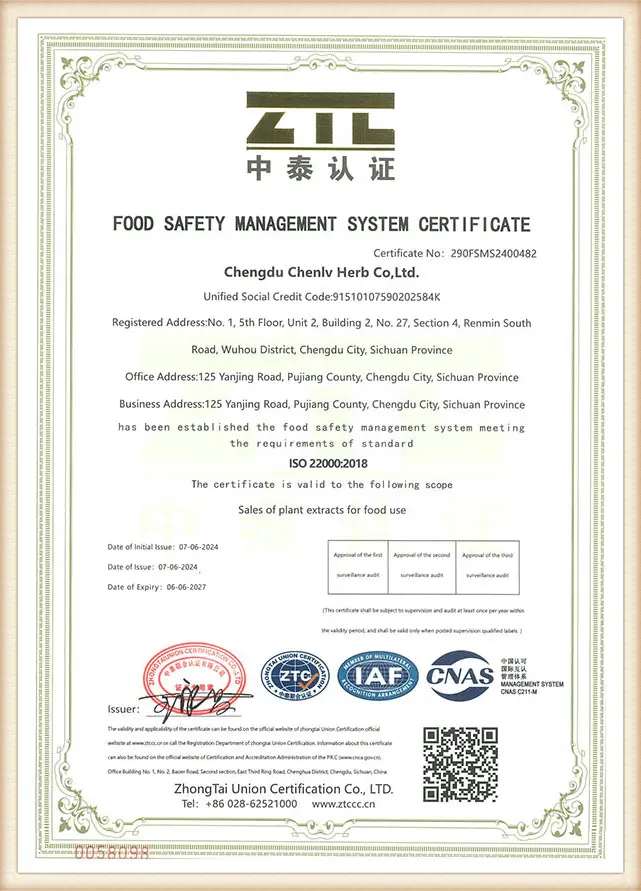
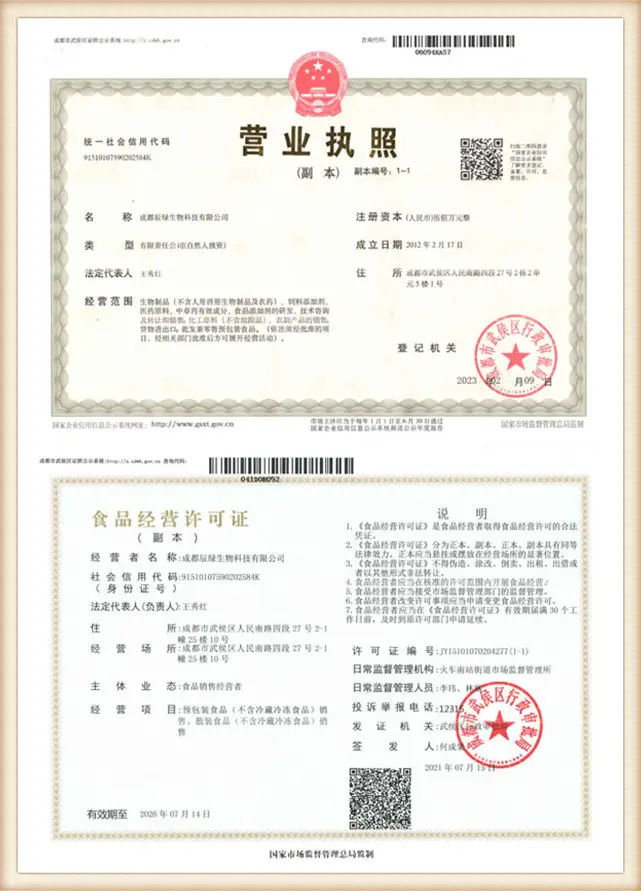
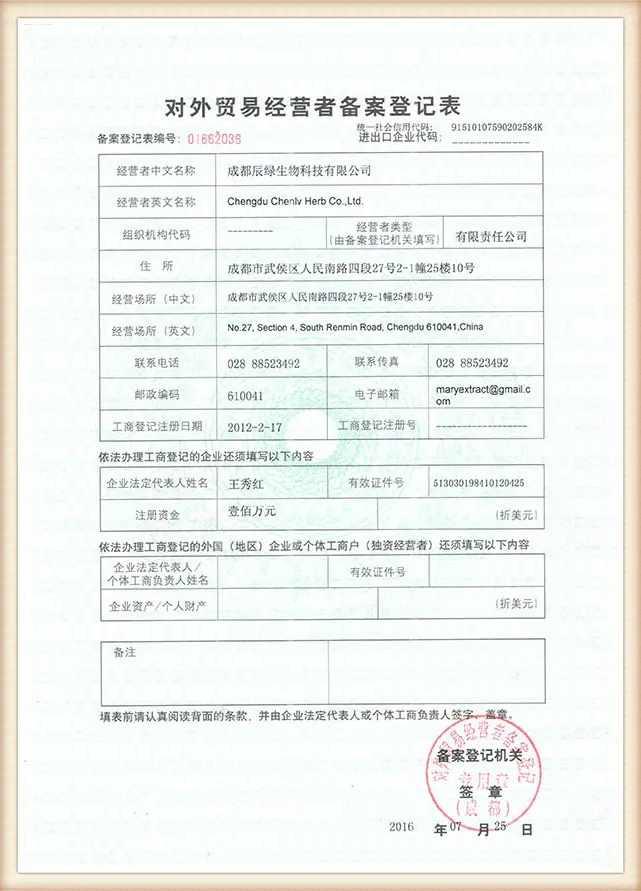

Driven by the concept of "homology of medicine and food" and modern health needs, natural extracts have become core raw materials for health care products due to their natural profiles.
Read More
From traditional herbal formulas to modern pharmaceutical ingredients, plant-derived chemical backbones are essential due to their high biological activity and clear clinical efficacy.
Read More
With growing demand for clean and sustainable skincare, botanical actives provide mild, biocompatible, and effective solutions for modern clinical cosmetic formulations.
Read More
Natural botanical additives improve animal health and optimize feed conversions, representing a growing focus area for global agricultural supply chains.
Read More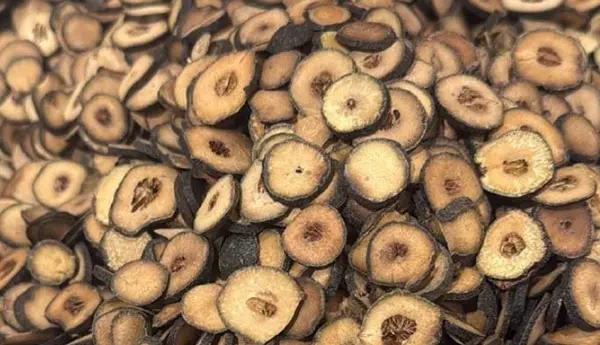
Recently, the market price of Citrus aurantium raw materials in China has been on the rise, drawing significant attention from the industry. As the new production season (May-June) comes to an end and new supplies gradually enter the market, price fluctuations have become a focal point due to supply and demand dynamics and cost considerations.
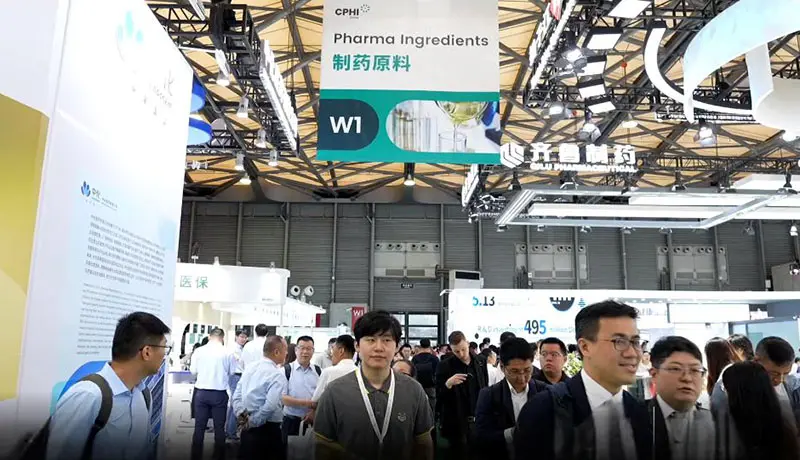
As a 'calling card' for leading China's pharmaceutical industry onto the global stage, the 23rd China Pharmaceutical Raw Materials Exhibition (CPHI China 2025) will join hands with the 18th China Pharmaceutical Machinery.
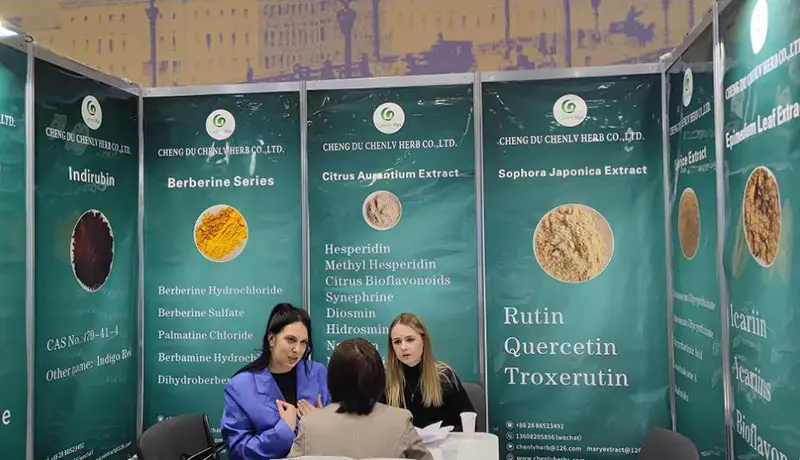
Join our research and executive teams as we present our latest range of high-purity natural extracts, custom manufacturing solutions, and clinical-grade chemical intermediates at this major industry gathering.