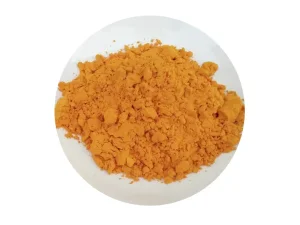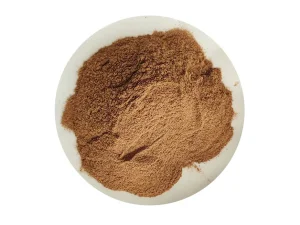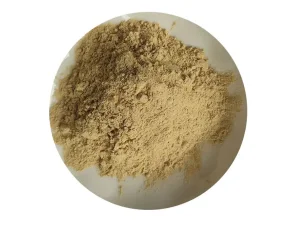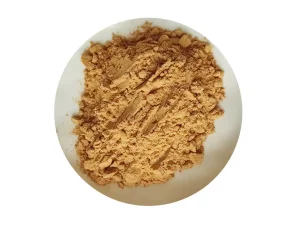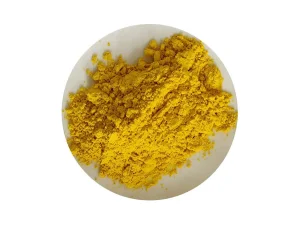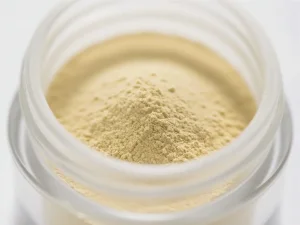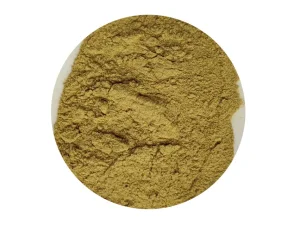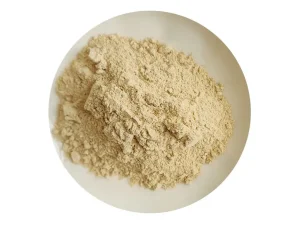
Explore our highly certified, standardized plant fractions engineered for direct application in functional foods, pharmaceuticals, and cosmetics.
A comprehensive analysis of phytosterol chemistry, extraction technology, sourcing shifts, and regulatory landscapes for global pharmaceutical and nutraceutical buyers.
Beta-sitosterol (C29H50O) is one of the most abundant plant-derived sterols (phytosterols) occurring naturally in various vegetable oils, pine wood, nuts, and seeds. Structurally identical to cholesterol except for an ethyl group on its side chain, beta-sitosterol acts as a competitive inhibitor of intestinal cholesterol absorption. By displacing dietary and biliary cholesterol from mixed micelles, it significantly lowers serum low-density lipoprotein (LDL) cholesterol levels. This mechanism has been widely validated by key regulatory agencies, including the US FDA and the European Food Safety Authority (EFSA), authorizing cardiovascular health claims for phytosterol-fortified products.
Beyond lipid mitigation, beta-sitosterol plays a critical role in managing symptoms of Benign Prostatic Hyperplasia (BPH). Clinical research indicates that it inhibits 5-alpha-reductase, the enzyme responsible for converting testosterone into dihydrotestosterone (DHT), the primary driver of prostate enlargement. Standardized extracts of beta-sitosterol are therefore highly demanded for active pharmaceutical ingredients (APIs) and dietary supplements targeting urinary tract health.
In the industrial manufacturing of beta-sitosterol, the selection of raw materials defines the purification path, identity preservation (IP), and market access. Historically, two primary streams dominate global supply:
Pine-Derived Phytosterols (Tall Oil Pitch): Extracted as a by-product of the Kraft wood pulping process. Tall oil-based phytosterols are naturally rich in beta-sitosterol (typically exceeding 70% before isolation) and are inherently free from Genetically Modified Organisms (GMOs). This makes pine-sourced beta-sitosterol highly popular in European and global markets where strict non-GMO compliance is legally required.
Soybean-Derived Phytosterols (Deodorizer Distillate): Generated during the refining process of soybean oil. While soy is a cost-effective source, it requires extensive "Identity Preservation" (IP) verification schemes to satisfy non-GMO market preferences. Our facilities operate dual dedicated processing lines to ensure cross-contamination is eliminated, offering both IP Soy-based and Tall Oil Pine-derived beta-sitosterol at high purities (90%, 95%, and 98% by GC/HPLC).
Chinese manufacturing facilities, particularly those in the southwestern plant extract corridors like Sichuan and Chengdu, have achieved global leadership in raw material optimization and processing throughput. The key drivers behind this efficiency include:
Integrated Downstream Supply Chain: Chinese manufacturers utilize highly advanced crystallization technologies that significantly reduce chemical solvent consumption (such as methanol and ethyl acetate). Industrial co-location allows factories to immediately re-purpose waste streams, converting by-products like stigmasterol and campesterol into downstream steroidal hormones, thereby optimizing the total cost of materials.
Energy Integration & Automated Refineries: Facilities such as Chengdu Chenlv Herb operate custom multi-stage fractional crystallization columns and vacuum distillation systems. These automated layouts reduce thermal degradation and ensure high batch-to-batch consistency. The localized integration of advanced automation minimizes manual handling, lowering production costs while increasing safety and compliance with international standards.
Established in 2012, Chengdu Chenlv Herb Co., Ltd. is a high-tech enterprise specializing in the research, development, production, and sales of high-quality botanical extracts and natural pharmaceutical ingredients.
We are committed to providing high-purity, highly active, and premium-quality natural raw materials. Our modern facility serves diverse global industries, including pharmaceuticals, health supplements, functional food, and cosmetics. With specialized isolation lines, we deliver active plant components that satisfy strict regulatory parameters worldwide.
Established In
Pioneering the industrialization of high-purity botanical raw materials and sterols extraction.
We offer customized, highly-efficient botanical extraction solutions that align with modern environmental values and strict quality systems.





Phytosterols and customized plant fractions integrated across diverse sectors to satisfy regulatory requirements and end-consumer trends.

Driven by the concept of "homology of medicine and food" and modern wellness trends, plant extracts have become the core active components of nutritional supplements due to their natural properties.

From herbal formulas recorded in ancient books to modern therapeutic agents, botanical extracts maintain a prominent role in the pharmaceutical industry due to their standardized active profiles.

With consumer preferences focusing on natural and clean skincare, plant fractions are popular cosmetic additions due to their mildness, anti-aging properties, and high skin compatibility.

Plant extracts offer a reliable alternative to traditional growth promoters, helping to optimize animal health, enhance gut barrier function, and improve livestock feed conversion efficiency.
Chenlv Herb provides a secure, transparent, one-stop contract manufacturing and optimization service.
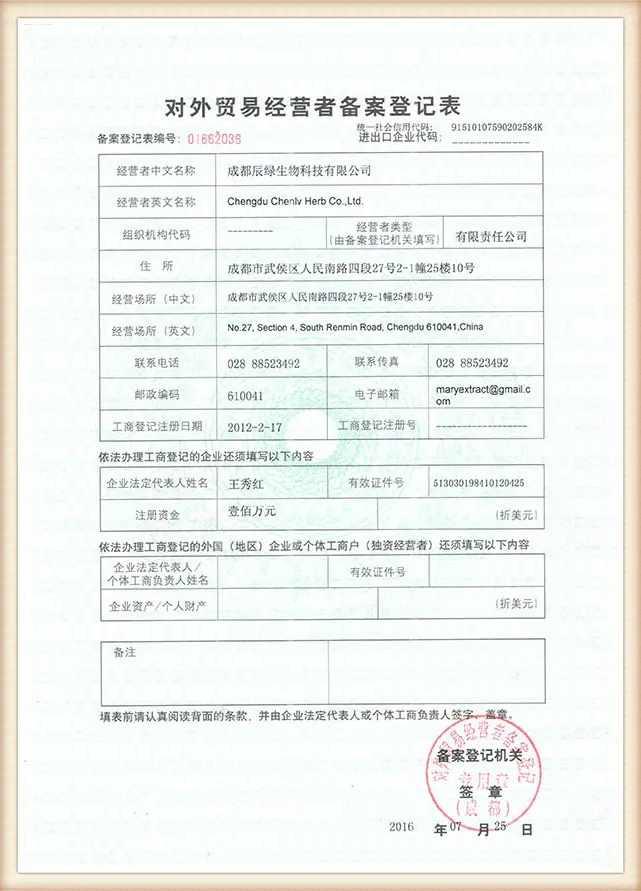
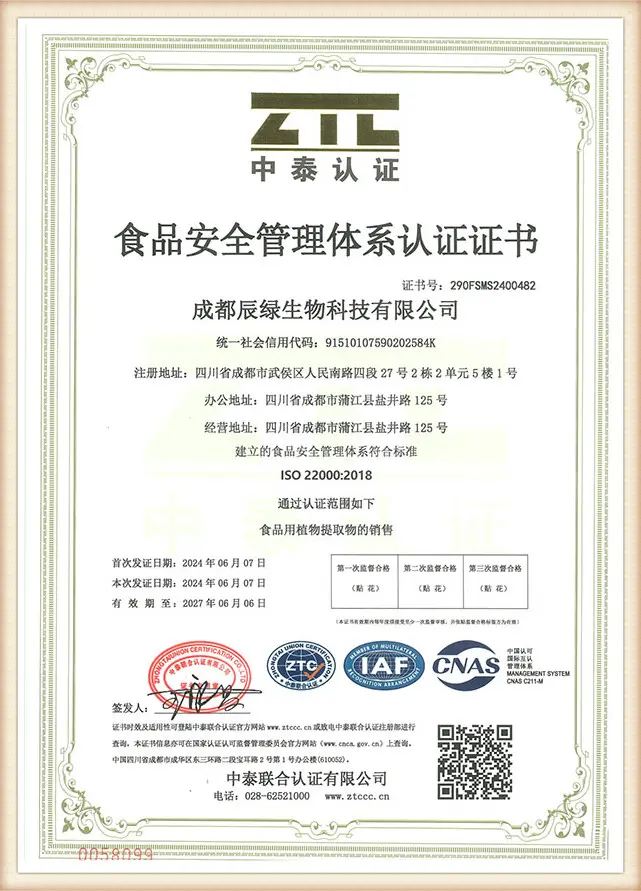
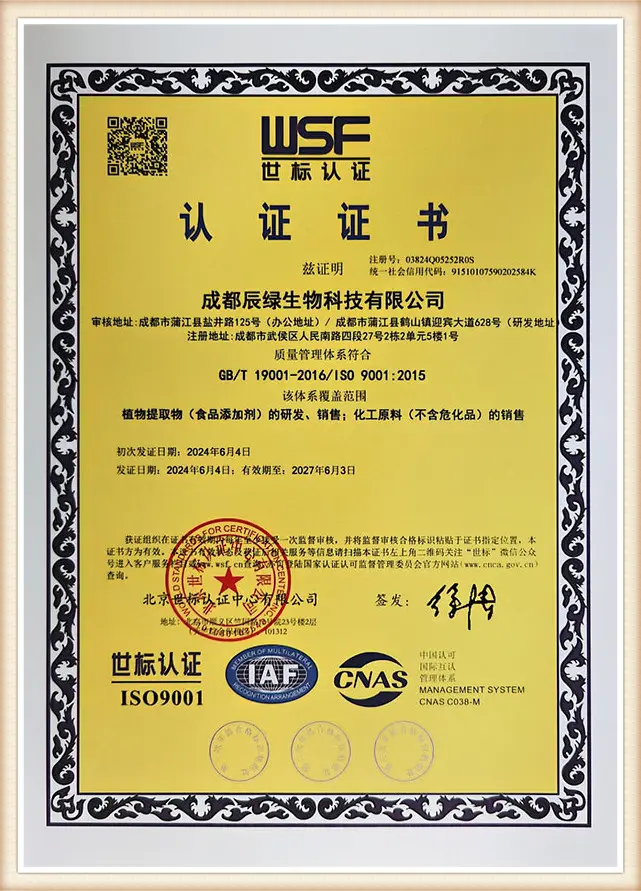
Our quality system is verified by international standards to ensure traceability and absolute safety.
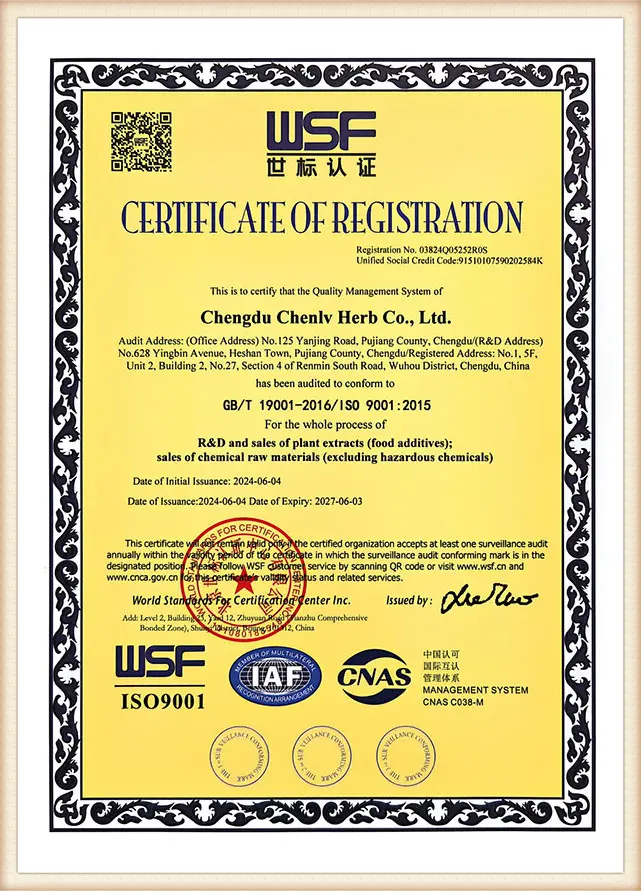
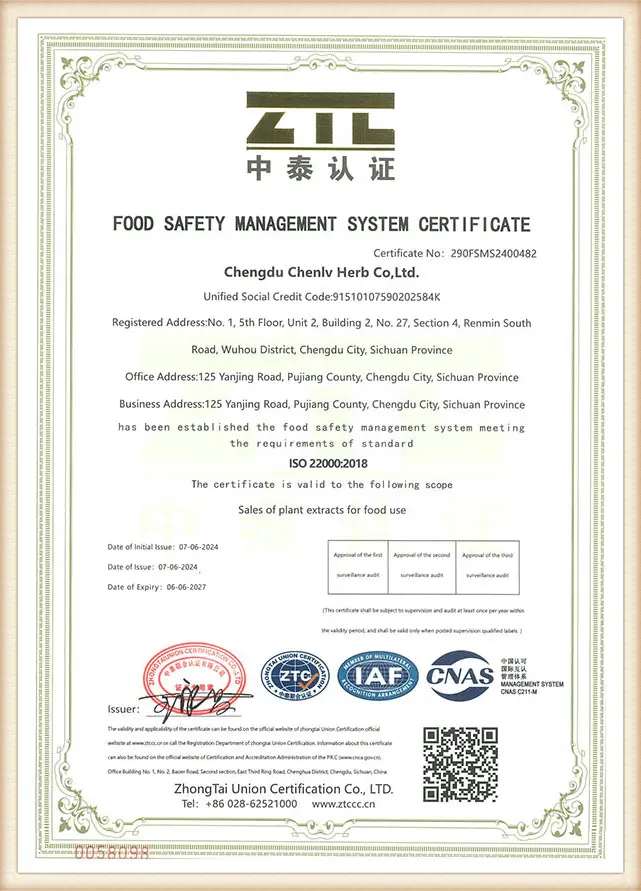
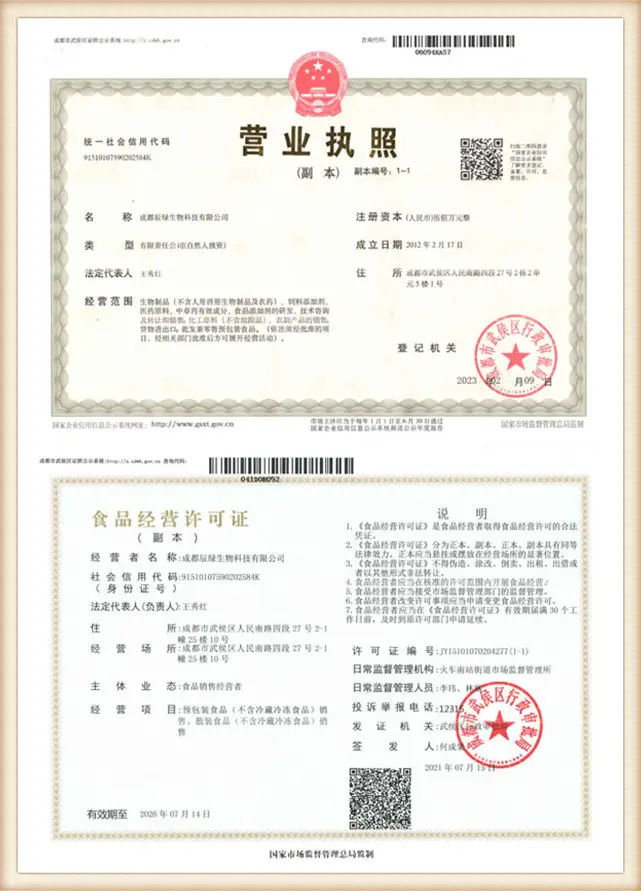
Key indicators, formulation strategies, and future developments in the global phytosterols market.
Procuring beta-sitosterol at commercial scale requires rigorous verification of physical-chemical properties to ensure formulation stability and regulatory compliance. Key parameters include:
Chromatographic Purity (GC/HPLC): Total phytosterols must generally exceed 98%, with beta-sitosterol isolated to specific concentrations (typically 40%, 70%, 90% or 95%). The remaining fractions consist of related plant sterols such as campesterol and stigmasterol, which must be clearly documented.
Solvent Residues: Extraction processes must comply with USP <467> and EP guidelines regarding residual organic solvents. The use of Class 1 solvents is prohibited, and Class 2 solvents must remain well below regulatory limits.
Heavy Metal Tolerances: Strict limits (Lead < 0.5 ppm, Arsenic < 0.5 ppm, Cadmium < 0.1 ppm, Mercury < 0.1 ppm) must be verified by Inductively Coupled Plasma Mass Spectrometry (ICP-MS).
A primary challenge in formulating with beta-sitosterol is its highly hydrophobic nature, which limits its absorption in the human gut. To resolve this, major manufacturers are developing microencapsulated, water-dispersible phytosterols. By utilizing carrier technologies like starch octenyl succinate or gum arabic, manufacturers can disperse phytosterols in functional drinks and liquid dairy products.
Additionally, phytosterol esterification represents an important advancement. By reacting beta-sitosterol with fatty acids derived from vegetable oils, manufacturers produce phytosterol esters, which have a lower melting point and dissolve easily in fats and oils. This enables their integration into margarines, spreads, and salad dressings, offering functional food manufacturers a wider range of formulation options.
Technical and commercial answers to common questions about phytosterol sourcing and application parameters.
Keep up with raw material market trends, pricing fluctuations, and our global exhibition calendar.
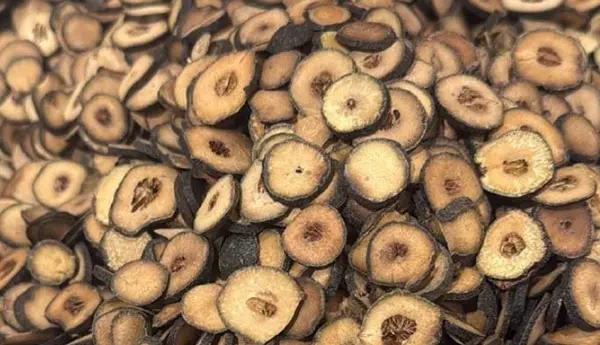
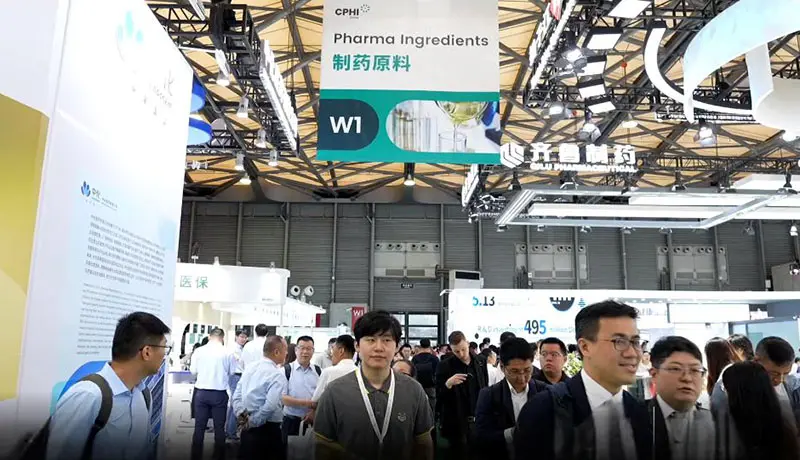
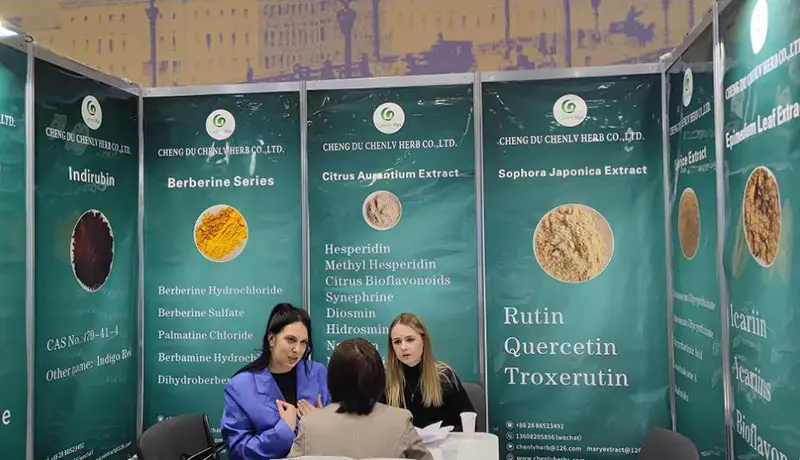
Discover our range of active botanical ingredients manufactured to meet strict international standards.