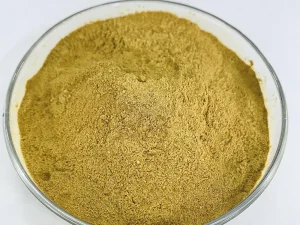
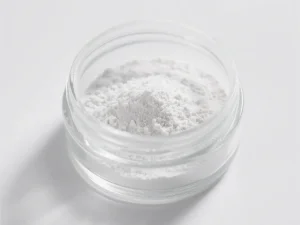
Introduction to Kanda Bilirubin & Chemical Purity Parameters
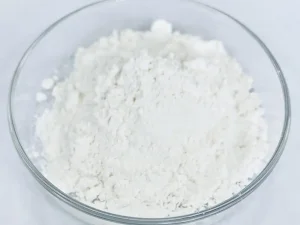
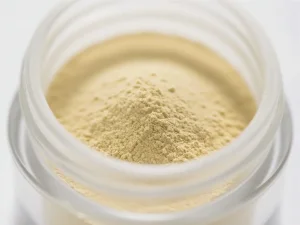
Bilirubin ($C_{33}H_{36}N_4O_6$), a tetrapyrrole pigment resulting from the normal breakdown of heme, is a vital biochemical marker globally acknowledged in clinical diagnostics. Kanda Bilirubin refers specifically to ultra-high purity bilirubin manufactured under strict quality regimens, widely serving as the calibration standard for diagnostic assays, liver function tests, and biochemical control matrices. The synthesis or natural extraction of this complex molecule demands rigorous oversight to maintain configuration stability (predominantly the $4Z,15Z$ isomer) and prevent oxidation into biliverdin.
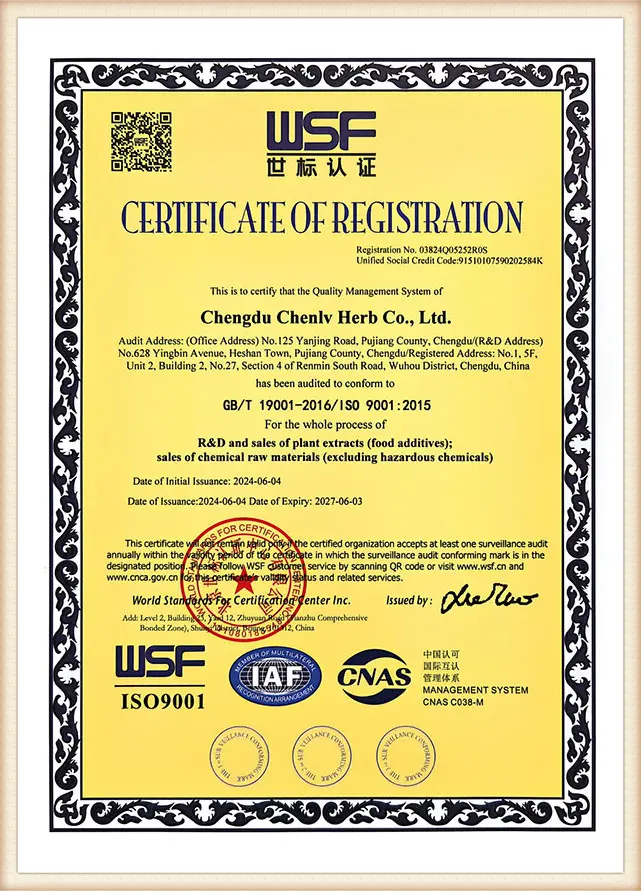
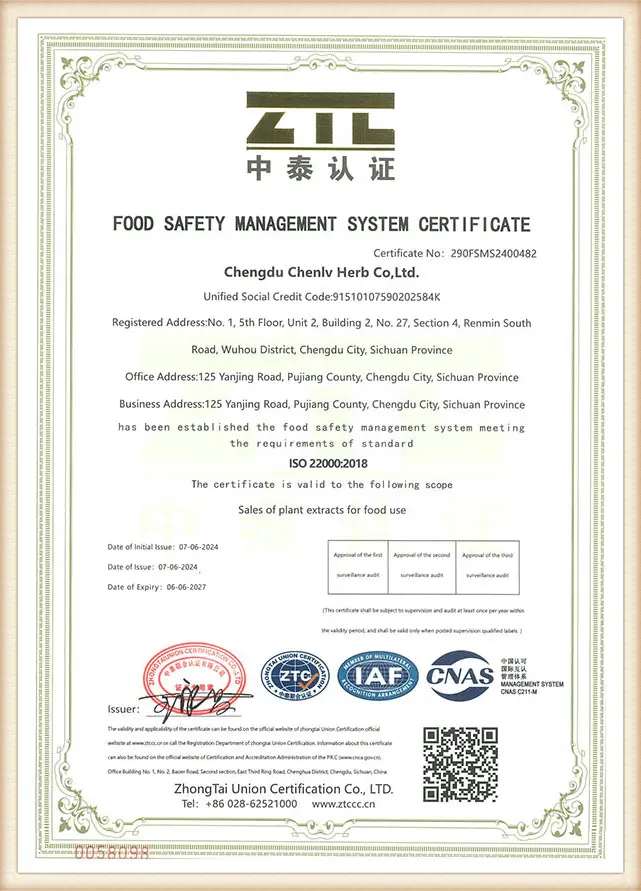
For global clinical lab systems, chemical purity represents the ultimate ceiling of diagnostic precision. Bilirubin from sub-standard suppliers often contains structural degradation fragments, traces of organic extraction solvents (such as chloroform or methanol), or residual heavy metal ions. As a leading bio-ingredient manufacturer, Chengdu Chenlv Herb Co., Ltd. addresses this gap by implementing advanced high-performance liquid chromatography (HPLC) purification loops and low-temperature isolation steps. This ensures our bilirubin exceeds 98% purity, providing pharmaceutical developers and clinical laboratories with the highly reliable calibrators necessary for spectrophotometric analysis and Jendrassik-Grof measurement methods.
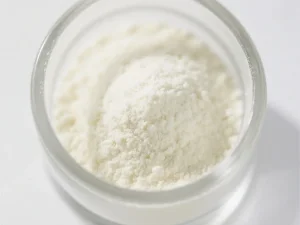
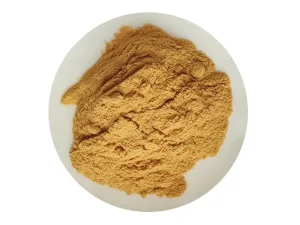
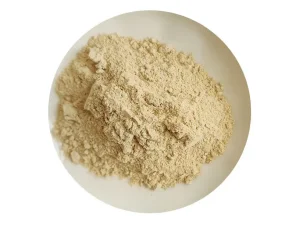
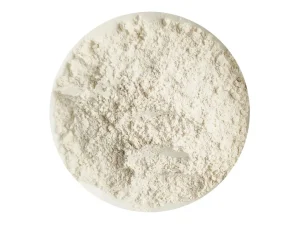
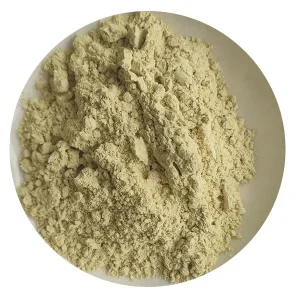
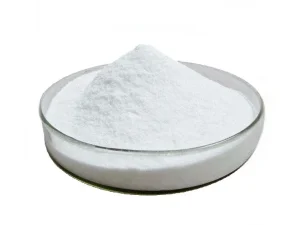
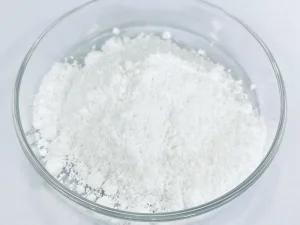
Information Gain Highlight: Structural analysis indicates that unconjugated bilirubin's solubility is strongly dependent on intra-molecular hydrogen bonding. Chenlv Herb's unique crystalline processing techniques yield stable, free-flowing crystalline powder with optimized dissolution dynamics in diagnostic alkaline buffers, eliminating standard preparation variance.
Global Commercial & Industrial Landscape
The global market for bilirubin and bile-derived biochemical compounds is undergoing rapid transformation, driven by the expansion of the In-Vitro Diagnostics (IVD) market and the surging demand for clinical calibrators in emerging economies. The escalation of chronic liver disorders, neonatal jaundice screenings, and metabolic syndromes requires an uninterrupted global supply chain of critical bio-reagents.
Historically, the market has faced intense supply bottlenecks due to the scarcity of high-grade raw material inputs and environmental compliance requirements during chemical extraction. Modern manufacturers must possess both high-tech extraction capabilities and extensive supply networks. The business landscape is characterized by a shift toward total trace validation, where pharmaceutical clients demand complete visibility into the animal origin or synthetic pathway of the active pharmaceutical ingredient (API), rendering E-E-A-T (Experience, Expertise, Authoritativeness, and Trustworthiness) the baseline prerequisite for business partnerships.
Localization Scenarios of Kanda Bilirubin
Standardization of biochemical materials requires rigorous localization protocols to align with region-specific physiological frameworks, regulatory guidelines, and technological standards. Below are the key scenarios where Kanda Bilirubin is localized globally:
Clinical Reference Standards (US & EU)
In highly regulated markets like North America and the EU, bilirubin is customized to match NIST (National Institute of Standards and Technology) standard reference materials (SRM 916a). This allows local calibrator manufacturers to confidently benchmark automated systems.
Neonatal Diagnostic Kits in Asia-Pacific
Given the high incidence of physiological neonatal jaundice in Asian populations, bilirubin is prepared in custom micro-aliquots with optimized stability constants to support rapid point-of-care transcutaneous and serum testing kits.
Traditional Medicine Matrices
Across East Asia, bilirubin is integrated with other bile acids (such as Taurohyodeoxycholic acid sodium salt) to formulate standardized control references for classic herbal formulations, validating therapeutic consistency.
Academic & Pathological Research
University labs and CROs utilize specific unconjugated bilirubin grades for researching blood-brain barrier penetration and neurotoxicity models (kernicterus simulation) under strict cell-culture grade specifications.
Chinese Factory Supply Chain Resilience & Efficiency Advantages
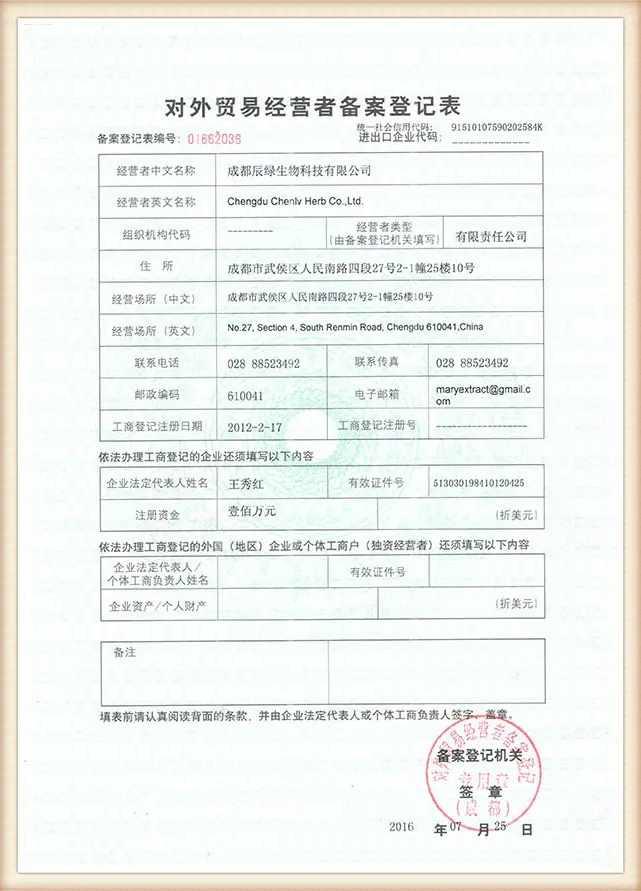
Operating from Chengdu, Sichuan Province—a primary hub for botanical diversity and chemical synthesis in Southwestern China—Chengdu Chenlv Herb Co., Ltd. capitalizes on unique regional and structural advantages to deliver unparalleled supply security. Our state-of-the-art facility features:
- Direct Sourcing Infrastructure: Close partnerships with raw bile processing units ensure a stable feedstock stream, insulating clients from global commodity price spikes.
- Modernized Extraction Facility: With a 2,711㎡ footprint equipped with advanced columns, industrial centrifuge arrays, and class 100,000 cleanrooms, we execute high-throughput extraction with minimal operational waste.
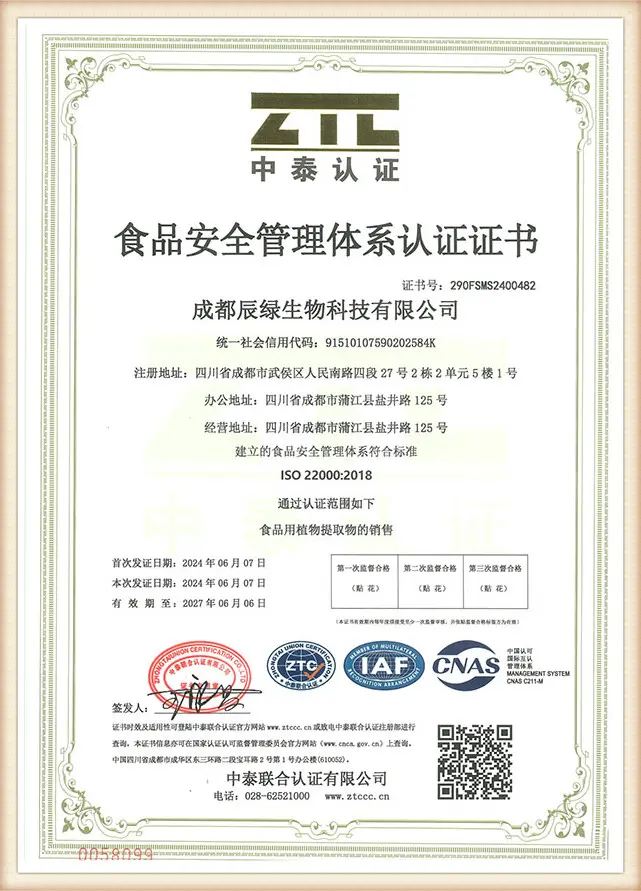
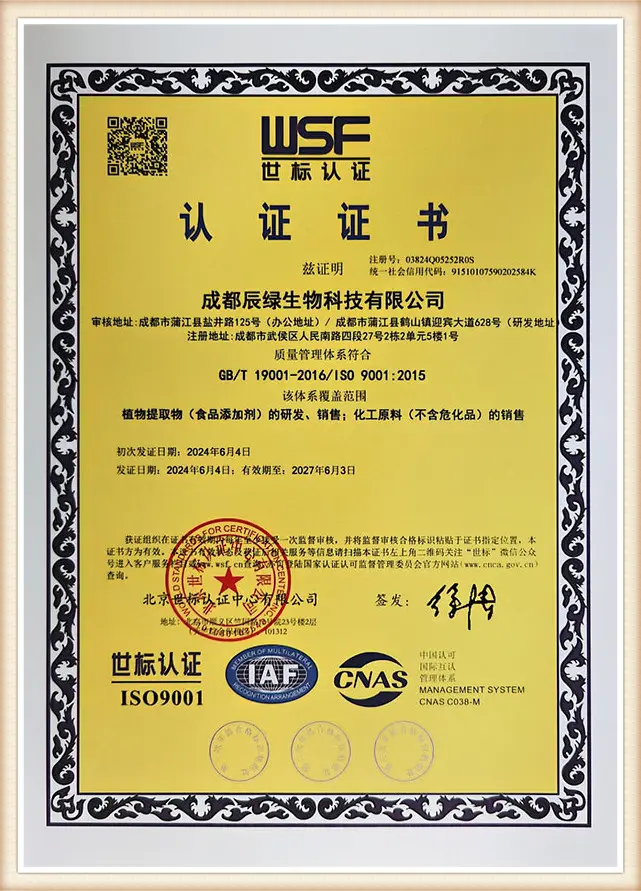
- Integrated Quality Control: Every batch is analyzed via ICP-MS, HPLC, and FTIR to guarantee heavy metal and solvent values comply with international pharmacopoeias.
- Green Manufacturing Commitment: We utilize closed-loop solvent recovery systems that lower the carbon footprint of the extraction process, aligning with global corporate environmental responsibility standards.
By leveraging optimized regional logistics and direct cargo routes departing from Chengdu International Railway Port and Shuangliu Airport, we bypass standard supply chain delays. We reduce dispatch times to global destinations in Europe, North America, and Southeast Asia to a fraction of the industry average.
Technical Roadmap & Future Outlook of Bilirubin Research
As biotechnology pivots toward greener synthesis pathways, the processing of biopigments is undergoing a fundamental technological shift. Chenlv Herb's R&D team is piloting a multi-phased roadmap to elevate purity indices and process efficiency:
| Development Stage |
Core Technology |
Target Purity & Application |
| Phase I (Current) |
Multi-step solvent crystallization & low-temperature preservation loops. |
>98.5% purity. Diagnostic calibrator, reference standard, API precursor. |
| Phase II (2026-2027) |
Enzyme-catalyzed biocatalysis coupled with preparative HPLC columns. |
>99.2% purity. Ultra-sensitive biosensor components, standard controls. |
| Phase III (Future Vision) |
Recombinant microbial synthesis platforms (yeast/bacterial heme pathway scaling). |
100% animal-free synthetic Bilirubin. High-end cosmetic & therapeutic applications. |