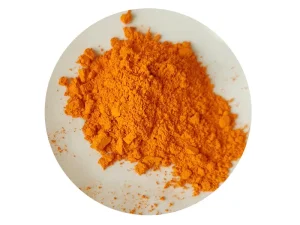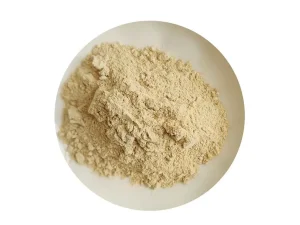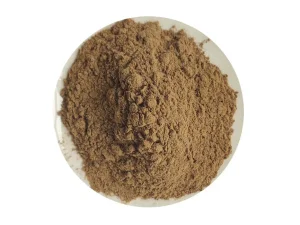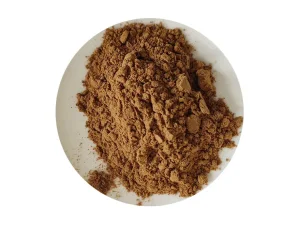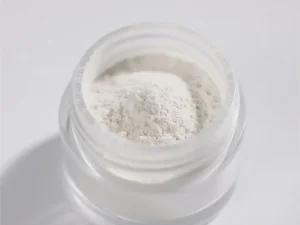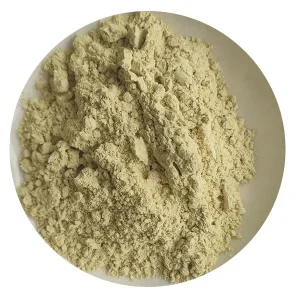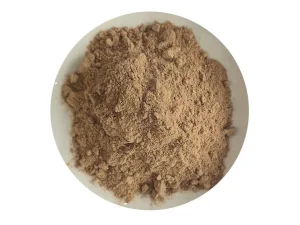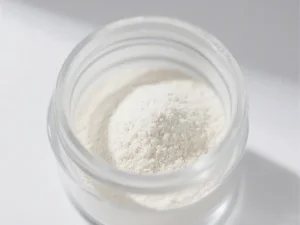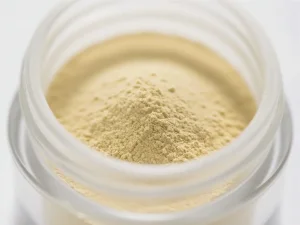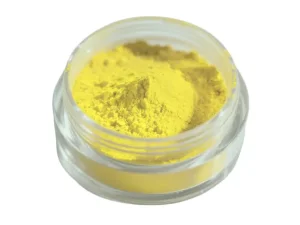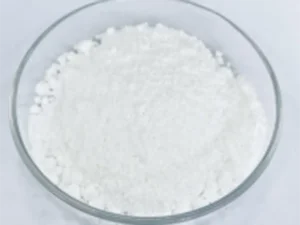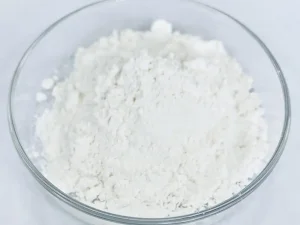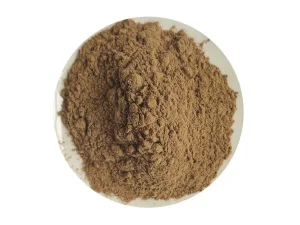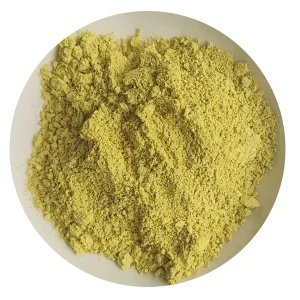
Flavonoids have transitionally moved from standard supplement additives to foundational active molecules in clinical and preventive medicine. Among these, Rutin (Quercetin-3-rutinoside) and Luteolin (3',4',5,7-tetrahydroxyflavone) occupy highly critical roles. As researchers unlock the deep-level cellular mechanisms of these compounds, global procurement managers face the task of securing dependable, high-purity supply chains at feasible economies of scale.
Rutin is structurally valued for its ability to strengthen capillaries, mitigate systemic inflammation, and lower oxidative stress in lipid structures. Luteolin is highly recognized as a potent Nrf2 activator and microglial anti-inflammatory compound, crossing the blood-brain barrier to provide neuroprotective benefits. When integrated within formulations, they act synergistically to target inflammatory pathways. Finding suppliers capable of matching the strict quality criteria while sustaining a competitive pricelist structure is a key success factor in dietary supplement manufacturing.
Information Gain Insight: The efficacy of Rutin and Luteolin relies directly on polymorph stability, particle size distribution, and solvent residue mitigation. Working with advanced extraction plants allows procurement entities to optimize delivery systems for enhanced bioavailability.
Established in 2012, Chengdu Chenlv Herb Co., Ltd. (referred to as "Chenlv Herb") is a dedicated high-tech enterprise focusing on the R&D, production, and sales of botanical extracts and natural pharmaceutical ingredients. By producing high-purity, highly active, and premium-grade natural raw materials, we serve major industries worldwide, including pharmaceuticals, health supplements, functional foods, and cosmetics.
Situated in China's natural bio-resource cluster in Sichuan, we draw from direct geographic advantages to maintain a steady and sustainable supply of high-grade raw botanical materials. Our state-of-the-art facilities ensure that every milligram of active ingredient meets international pharmacopeia standards, backed by comprehensive chromatographic testing and traceability records.

For global procurement executives, sourcing flavonoids from Chinese manufacturers offers concrete advantages in price, efficiency, and scalability. Over the past decade, Chinese extraction facilities have upgraded from manual batch processing to automated, closed-loop continuous countercurrent extraction lines. This tech migration preserves phytochemical active structures while reducing energy usage and solvent consumption.
Furthermore, China is the primary grower of Sophora japonica (Pagoda Tree), the primary botanical origin for high-yield Rutin. By locating production facilities near these primary growing zones, Chenlv Herb cuts out middleman transportation markups, secures peak seasonal harvest quantities, and stabilizes prices against market shifts. The integration of local supply chains with advanced refining technology yields high-purity Rutin and Luteolin that align with USP, EP, and ChP criteria at a competitive price structure.
Our manufacturing processes are engineered to deliver consistent quality and value at every phase of the relationship.


When assessing bulk suppliers, looking beyond the base price to review structural details is crucial. Rutin NF11 or EP10 grades demand a minimum assay of 95.0% to 101.5% on an anhydrous basis. Sourcing cheap Rutin requires confirming that extraction methods avoid high concentrations of methanol or other Class 1 toxic solvents. Water and ethanol extractions are the preferred methods for modern clean-label specifications.
For Luteolin, which is typically sourced from peanut shell structures or chamomile, confirming the absence of residual peanut allergens is a critical step in formulating for North American and European markets. Our analytical laboratories use high-performance liquid chromatography (HPLC) paired with mass spectrometry to confirm chemical identity and check that heavy metal content (Lead, Arsenic, Cadmium, Mercury) remains well below EPA and European Food Safety Authority (EFSA) limits.
Formulation Advisory: Rutin is poorly soluble in cold water (approx. 0.125 g/L). For functional beverages or effervescent tablets, you may specify water-soluble Rutin (such as Troxerutin or Rutin derivatives) or utilize micronization techniques (reducing particle sizes to d90 < 10 microns) to improve dispersion.
Our high-purity extracts serve a wide variety of industries globally, providing clean-label efficacy.

Driven by the concept of "homology of medicine and food" and modern health needs, plant extracts have become core raw materials for natural health care products due to their safe and functional characteristics.
Read More →
From traditional herbal formulas to modern botanical drugs, plant extracts occupy a prominent position in the pharmaceutical industry due to their active molecular structures and targeted pharmacological effects.
Read More →
With consumer interest shifting toward clean and sustainable skincare, botanical ingredients are favored for their mildness, compatibility, and protective antioxidant qualities.
Read More →
Natural plant extracts show promise in supporting animal vitality, improving physiological performance, and reducing reliance on synthetic compounds in agricultural feeding programs.
Read More →We provide end-to-end contract manufacturing and custom parameter configurations to support your product line.
 01
01
Initial consultations to define purity levels, particle size, and target specifications.
 02
02
Transparent bulk pricing, including FOB/CIF logistics options, based on volume requirements.
 03
03
Formalizing specification sheets, delivery schedules, and compliance agreements.
 04
04
Delivering pilot samples along with detailed Certificates of Analysis (CoA) for lab validation.
 05
05
Initiating commercial-scale batch processing under controlled GMP parameters.
 06
06
Multi-parameter QC checks to verify active assay percentages, microbial counts, and stability.
 07
07
Secure packing and logistics processing to ship finished batches directly to your warehouse.
Our operations and products conform to rigorous international manufacturing standards.
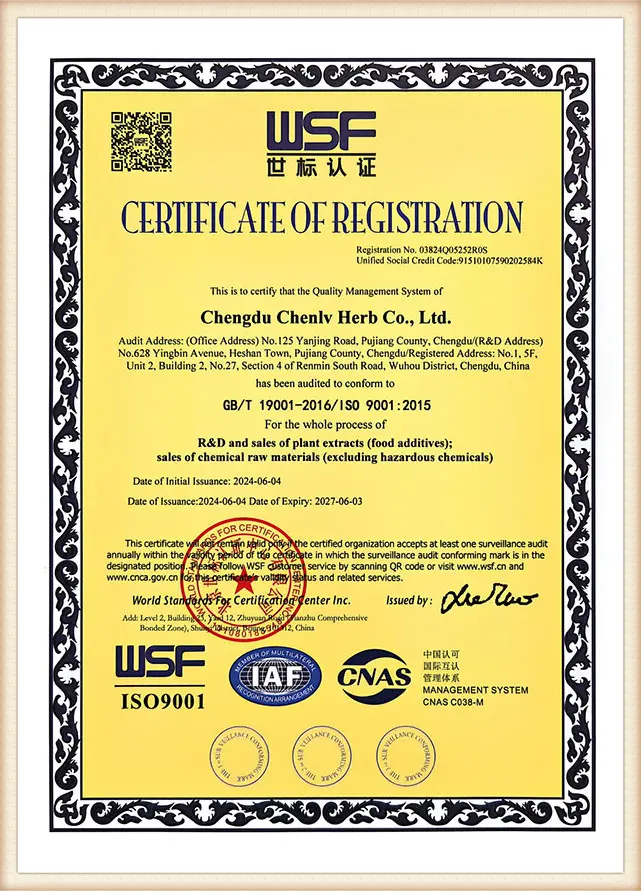
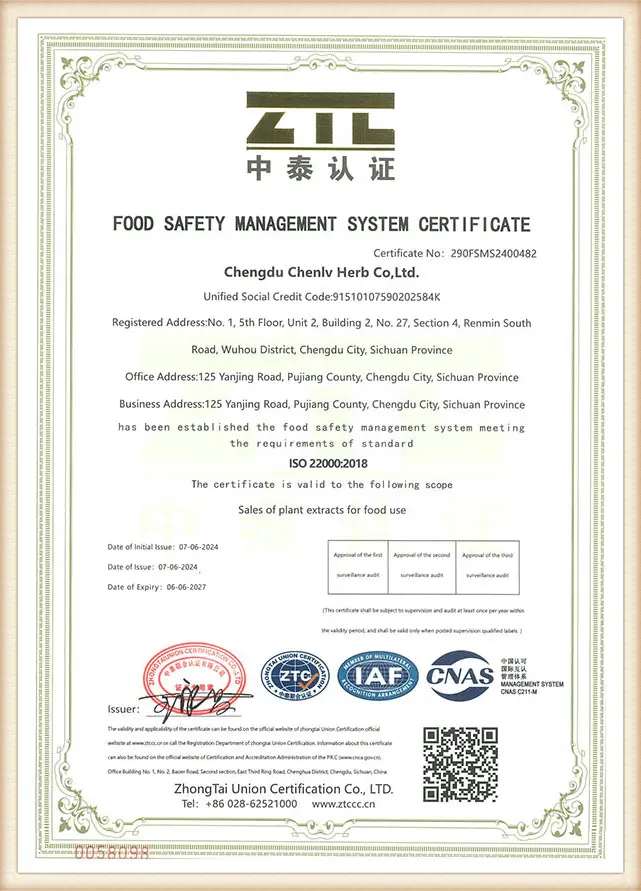
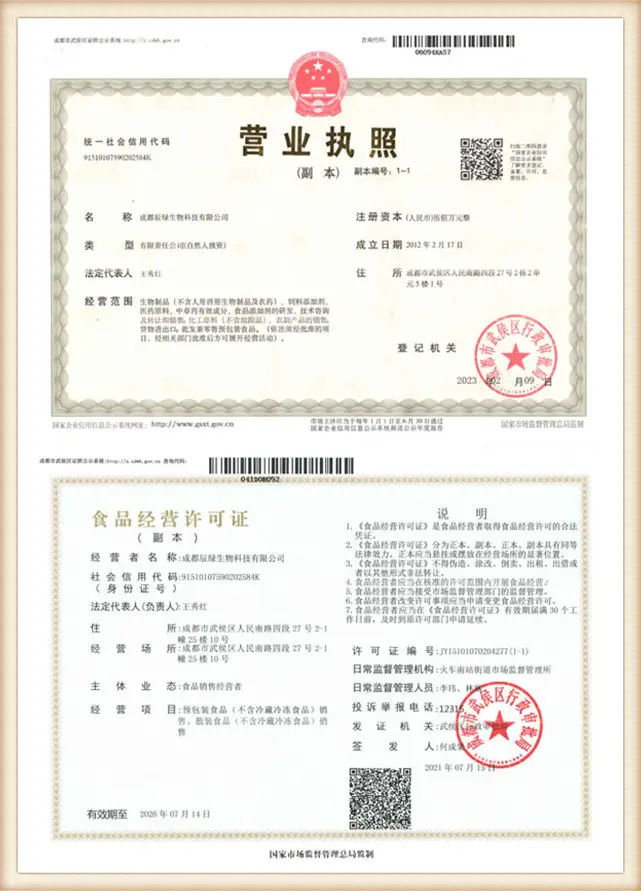
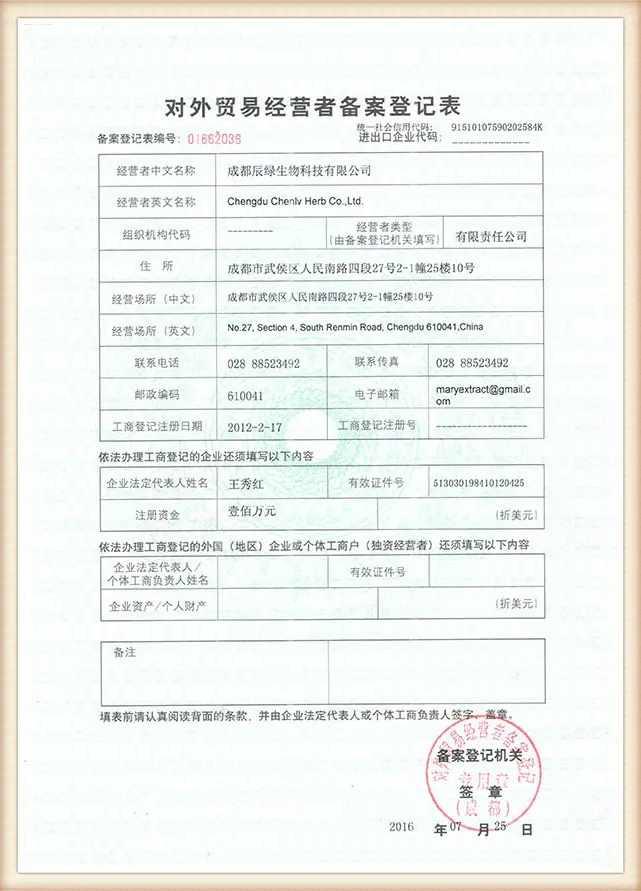
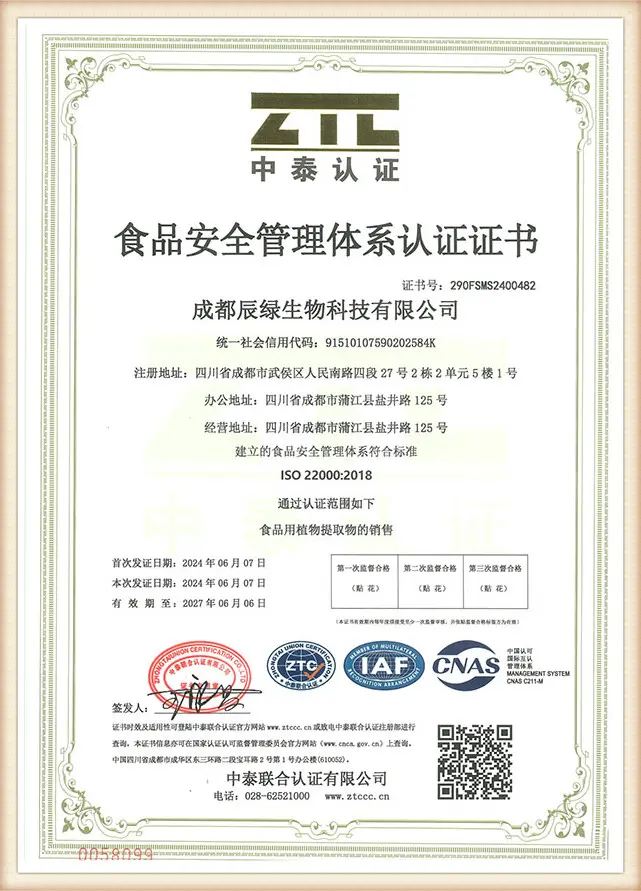
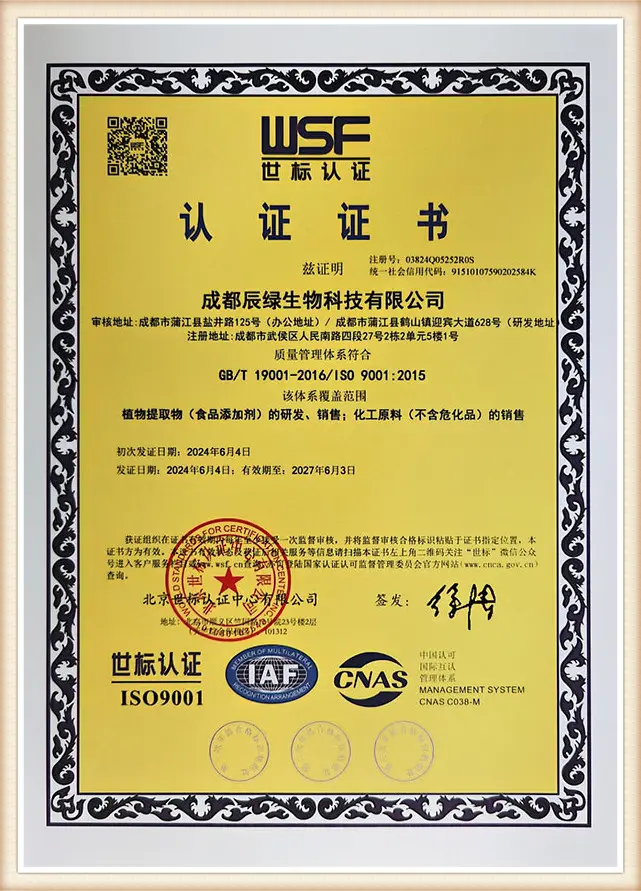
Formulating a budget for bulk flavonoids requires understanding the factors that influence market prices. The cost of raw Rutin is largely linked to the crop yields of Sophora japonica. Heavy rains or early frosts in China's main growing provinces can affect raw material yields, impacting supply and pricing. Global supply chains generally stabilize in late autumn when the fresh harvest is processed into dry powder.
For Luteolin, the price is influenced by the extraction method and the raw material source. Sourcing Luteolin from peanut shells is cost-effective, but requires thorough allergen testing. Sourcing from chamomile flower buds yields a high-purity, hypoallergenic extract, but at a higher price point. Understanding these dynamics helps procurement managers choose the right balance of purity, regulatory compliance, and cost for their formulation requirements.
Expert technical answers to common queries from procurement specialists and product formulators.
Stay informed with updates on extraction technology, raw material pricing, and upcoming industry events.
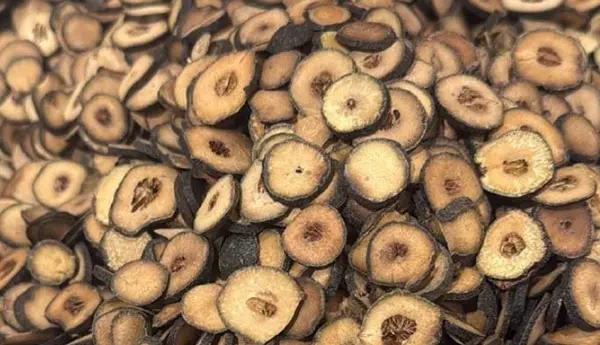
Recent market price changes for Citrus aurantium raw materials in China have drawn industry attention. As the new harvest season draws to a close, supply and demand dynamics and cost considerations are shaping price trends.
Read Article →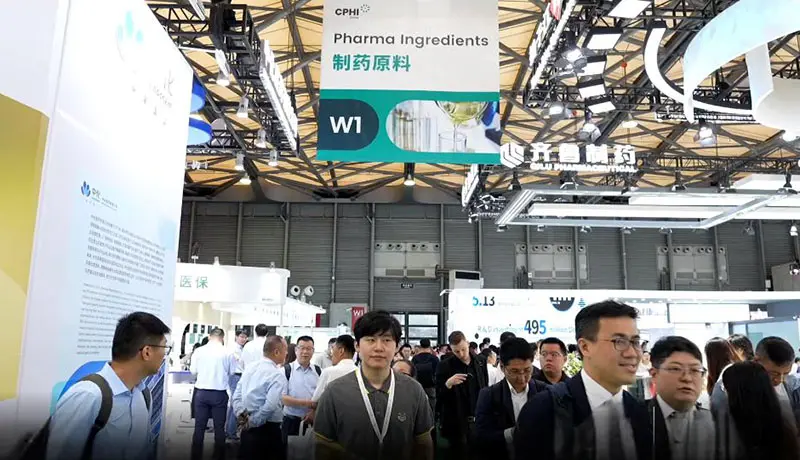
As a leading platform for China's pharmaceutical ingredients industry on the global stage, CPHI China 2025 will gather top-tier industry players. Visit us to discuss new developments in botanical extraction.
Read Article →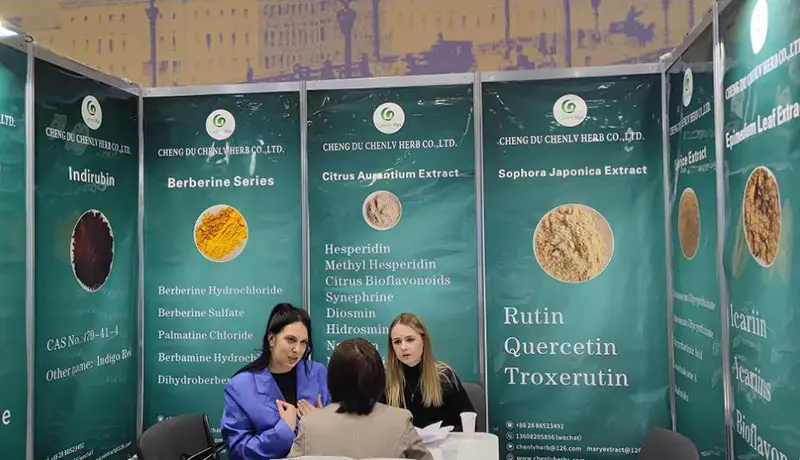
Join us at the API conference to discuss manufacturing innovations, quality standards, and collaborative opportunities for botanical extracts.
Read Article →For inquiries about our products, bulk price lists, or custom assay requests, please share your requirements with us. Our technical sales team will reply within 24 hours.